

Troubleshooting and repair of bus bars and electrical components within a tower structure are critical for ensuring operational reliability and safety in the energy sector. This comprehensive guide delves into the common issues, systematic diagnostic approaches, and effective repair methodologies for these essential electrical conductors. Addressing these challenges proactively minimizes downtime and prevents catastrophic failures in critical infrastructure.
Advanced Troubleshooting and Repair of Bus Bars and Electrical Components in Towers
The integrity of electrical systems is paramount in any energy generation or transmission facility, and within the context of tower structures – be it for wind turbines, telecommunication masts, or power line pylons – this integrity is non-negotiable. Bus bars, the backbone of electrical distribution within these complex vertical frameworks, are susceptible to a myriad of issues that can compromise safety and operational efficiency. Effective troubleshooting and repair of bus bars and associated electrical components demand a nuanced understanding of electro-mechanical principles, environmental factors, and proactive maintenance strategies. This detailed exploration aims to equip engineers, technicians, and facility managers with the knowledge to address common problems, implement robust diagnostic procedures, and execute timely repairs, thereby safeguarding critical infrastructure and optimizing performance. The systematic approach to troubleshooting repair bars ensures that potential failures are identified and rectified before they escalate into costly and disruptive events.
Understanding Common Bus Bar and Electrical Component Failures in Towers
Failures within tower electrical systems, particularly concerning bus bars, often stem from a combination of electrical, mechanical, and environmental stressors. A thorough understanding of these failure modes is the first step in effective troubleshooting repair bars.
Electrical Overload and Short Circuits
– Excessive current flow, often due to equipment malfunction or grid instability, can lead to thermal runaway in bus bars.
– Short circuits, whether phase-to-phase or phase-to-ground, generate immense heat and mechanical forces that can deform or rupture bus bars.
– Arc flashes, a dangerous byproduct of short circuits, can cause severe damage to insulation and conductive materials, posing significant safety risks.
Corrosion and Environmental Degradation
– Exposure to harsh atmospheric conditions, including humidity, salt spray (in coastal areas), and industrial pollutants, accelerates corrosion of bus bar materials like copper and aluminum.
– Oxidation at connection points increases electrical resistance, leading to localized heating and potential failure.
– Moisture ingress into enclosures can create conductive pathways, leading to tracking and eventual short circuits.
Mechanical Stress and Vibration
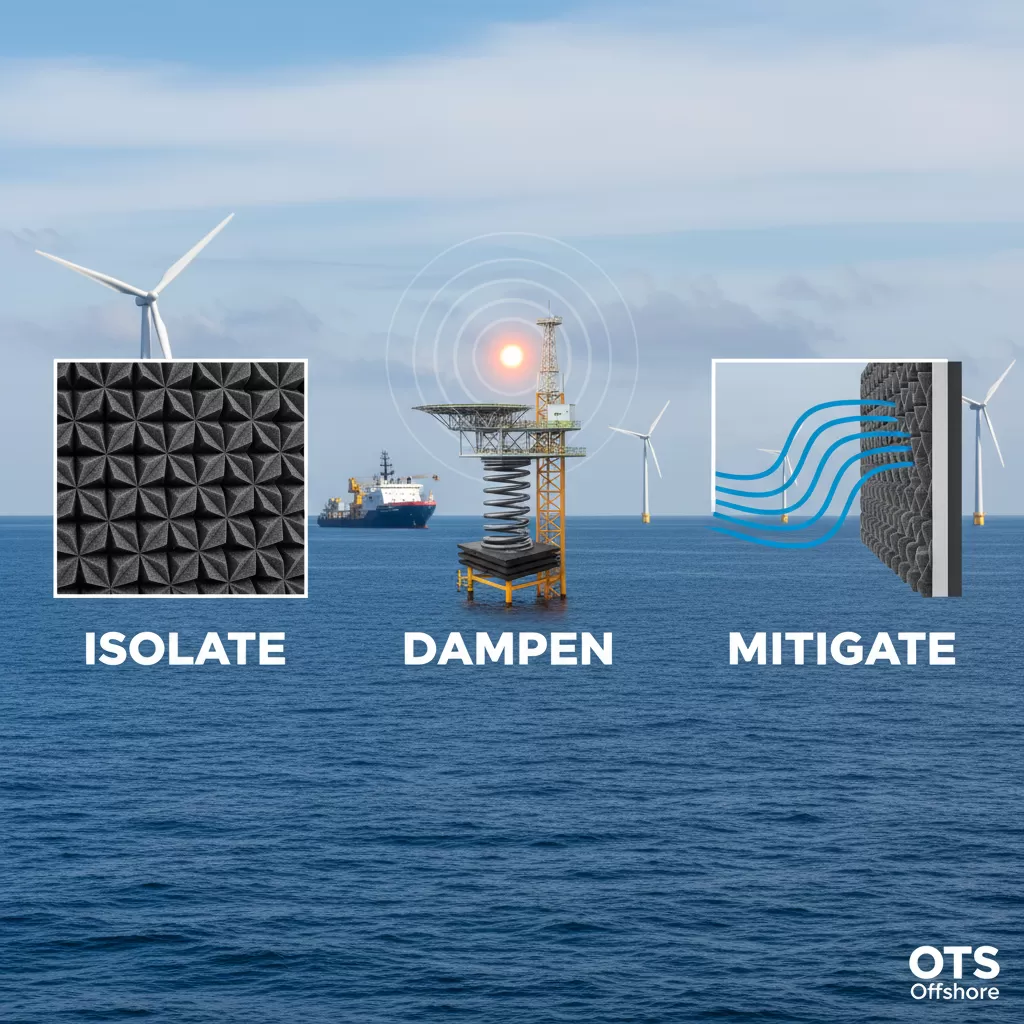
– Wind-induced vibrations are a significant concern for towers, especially taller structures. These constant oscillations can loosen bolted connections, leading to increased resistance and intermittent faults.
– Thermal expansion and contraction cycles due to fluctuating ambient temperatures can induce stress on bus bar supports and connections.
– Physical impact, though less common, can cause direct damage to bus bars and their insulation.
Poor Installation and Maintenance Practices
– Inadequate torque applied to bus bar connections is a leading cause of high resistance and overheating.
– Improper material selection for specific environmental conditions can accelerate degradation.
– Lack of regular inspection and cleaning allows dirt, debris, and corrosive agents to accumulate, compromising electrical pathways.
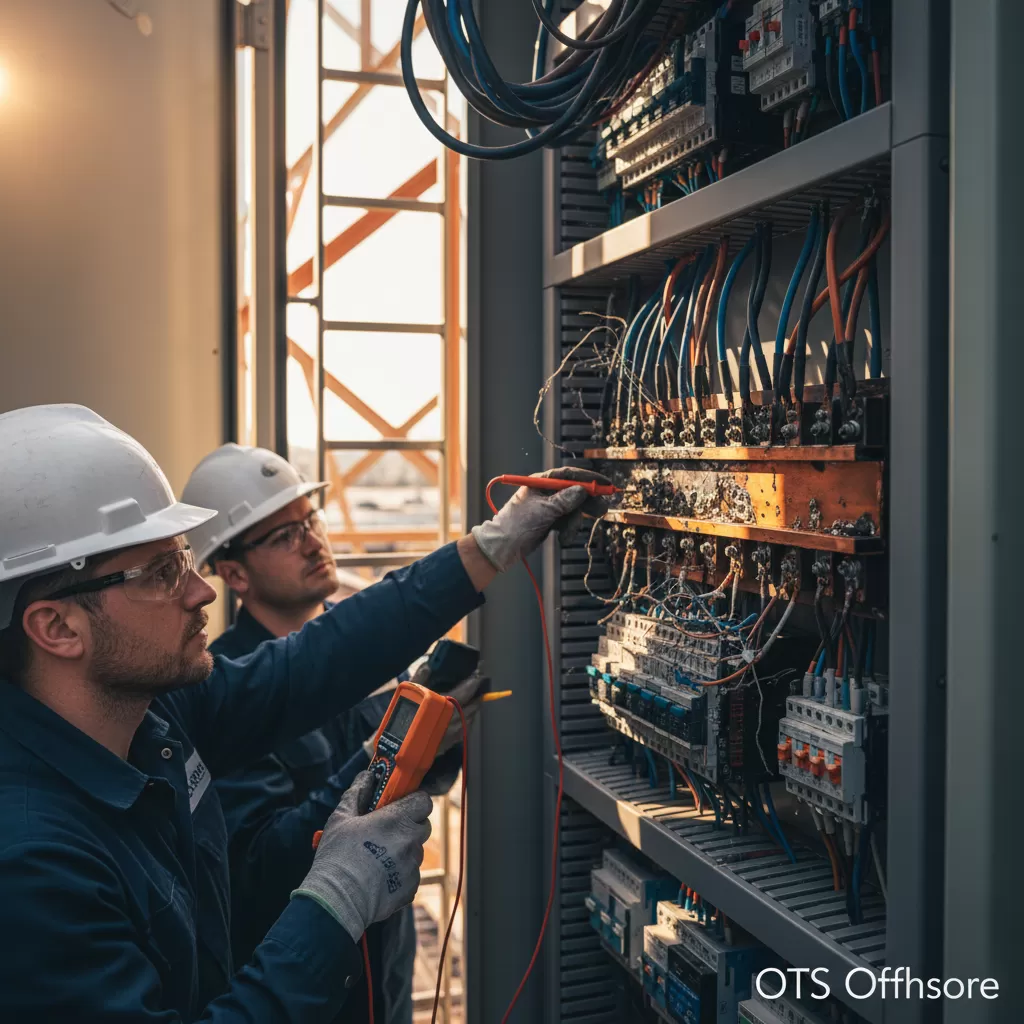
Diagnostic Techniques for Troubleshooting Repair Bars in Tower Environments
Effective troubleshooting repair bars necessitates a systematic approach, employing a range of diagnostic tools and techniques to pinpoint the root cause of the issue.
Visual Inspection
– A meticulous visual check for signs of discoloration, scorching, or melting on bus bars and connections is fundamental.
– Look for signs of corrosion, loose hardware, damaged insulation, or any physical deformation.
– Check for environmental ingress, such as water stains or evidence of vermin.
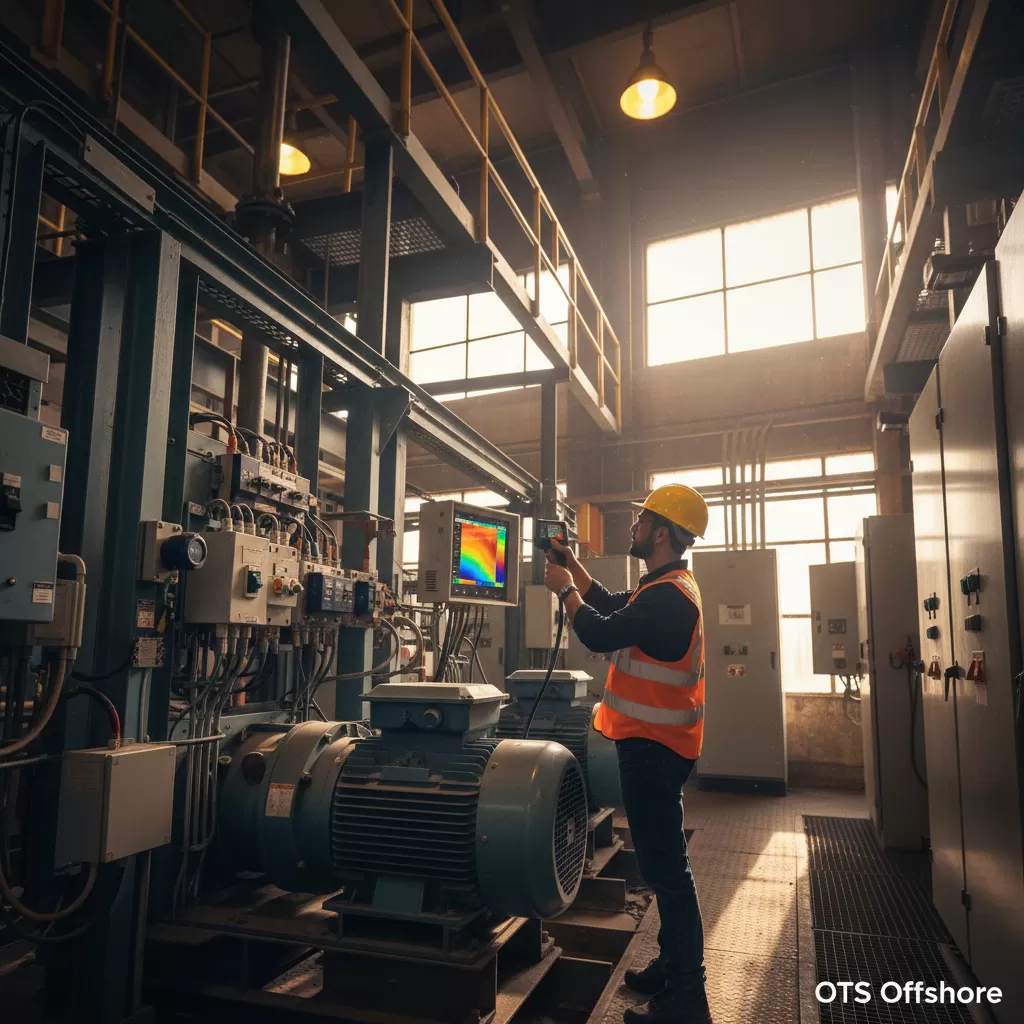
Thermal Imaging (Infrared Thermography)
– This non-contact method is invaluable for identifying hotspots caused by increased electrical resistance at connection points or within the bus bar itself.
– Elevated temperatures indicate inefficient current transfer and a potential precursor to failure.
– Regular thermal scans can detect developing problems before they become critical.
Electrical Testing Methods
– Insulation Resistance Testing (Megger Test): Measures the resistance of insulating materials to detect degradation or contamination that could lead to leakage currents.
– Contact Resistance Measurement: Utilizes a low-resistance ohmmeter to assess the quality of connections. High readings suggest poor contact and potential overheating.
– Bus Bar Continuity Testing: Verifies that the electrical path is uninterrupted throughout the bus bar system.
– Ground Fault Detection: Identifies unintended paths for current to flow to ground, which can be a precursor to larger faults.
Vibration Analysis
– For towers subjected to significant wind loads, vibration analysis can identify resonant frequencies that might be contributing to connection loosening and mechanical fatigue.
– Portable accelerometers can be used to measure vibration levels on bus bar supports and enclosures.
Environmental Monitoring
– Continuous monitoring of temperature, humidity, and the presence of corrosive gases within tower enclosures can help correlate environmental factors with electrical issues.
– Data loggers can record trends over time, aiding in identifying cyclical problems.
Methodologies for Bus Bar and Electrical Component Repair in Towers
Once a fault has been diagnosed, the repair process must be conducted with precision and adherence to safety protocols. The complexity of working at height and within confined electrical spaces demands specialized expertise. Troubleshooting repair bars is not merely about fixing a symptom but ensuring long-term reliability.
Connection Tightening and Re-torquing
– For loose connections identified through visual inspection or thermal imaging, the primary repair is to re-torque bolts to the manufacturer’s specifications.
– Use calibrated torque wrenches to ensure consistent and accurate tension.
– If corrosion is present at the connection, thorough cleaning and the application of appropriate anti-oxidant or conductive grease are essential before re-torquing.
Bus Bar Replacement or Section Repair
– In cases of severe damage, such as deformation, significant corrosion, or arcing damage, replacement of the affected bus bar section or the entire bus bar may be necessary.
– Ensure that replacement materials meet or exceed the original specifications in terms of conductivity, current rating, and mechanical strength.
– Proper alignment and secure fastening of new bus bars are critical to prevent future issues.
– For minor damage, localized repair might involve cleaning and resurfacing, followed by rigorous testing.
Insulation Repair or Replacement
– Damaged or degraded insulation on bus bars or associated wiring must be repaired or replaced promptly.
– Use high-dielectric strength insulating materials suitable for the operating voltage and environmental conditions.
– Ensure that repairs are seamless and provide complete coverage without voids or imperfections.
Environmental Sealing and Protection
– To combat corrosion and moisture ingress, apply appropriate protective coatings or sealants to bus bars and enclosures.
– Implement enhanced sealing measures around cable entries and access panels.
– Consider the installation of dehumidification systems in critical enclosures within the tower.
Component Replacement
– If other electrical components, such as circuit breakers, fuses, or current transformers, are found to be faulty, they should be replaced with identical or equivalent rated units.
– Ensure that all replacements are compatible with the existing system and meet all relevant safety standards.
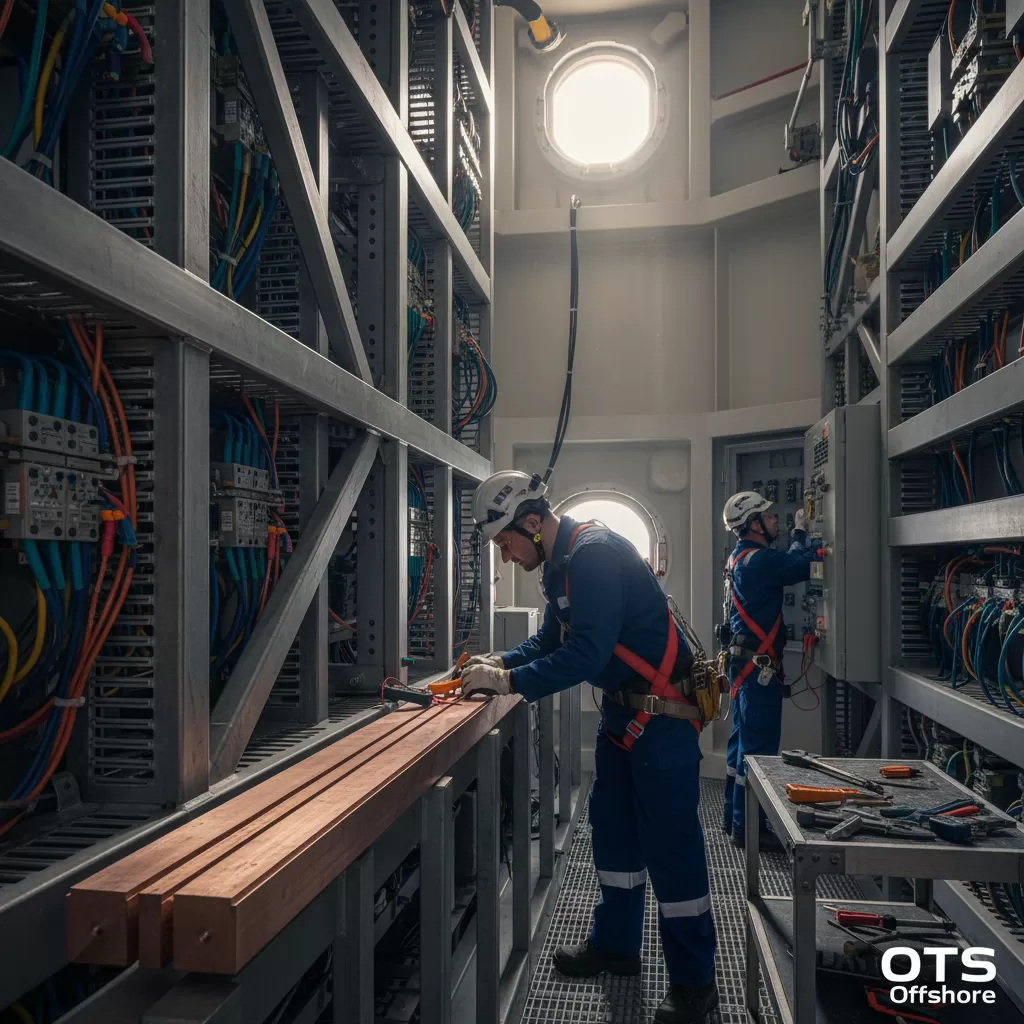
Preventative Maintenance Strategies for Enhanced Tower Electrical System Reliability
Proactive measures are the most effective way to minimize the need for emergency troubleshooting and repair of bus bars.
Scheduled Inspections and Testing
– Implement a regular schedule for visual inspections, thermal imaging surveys, and electrical testing of bus bars and associated components.
– The frequency of these inspections should be based on the tower’s age, operating environment, and criticality.
Connection Integrity Management
– Periodically verify the torque on all bus bar connections.
– Maintain detailed records of torque settings and inspection dates.
– Consider the use of locking mechanisms to prevent loosening due to vibration.
Environmental Control
– Regularly clean enclosures and bus bar surfaces to remove dust, dirt, and corrosive contaminants.
– Monitor and maintain the integrity of seals and gaskets to prevent moisture ingress.
– Implement ventilation strategies to manage internal temperatures and humidity.
Load Management and Monitoring
– Ensure that electrical loads do not exceed the rated capacity of the bus bars and associated equipment.
– Install real-time monitoring systems to track current, voltage, and temperature, providing early warning of abnormal conditions.
Material Selection and Upgrades
– When performing repairs or upgrades, select materials that are known for their durability and resistance to the specific environmental challenges faced by the tower.
– Consider upgrading to higher-performance bus bar materials or protective coatings if the current system is consistently experiencing degradation.
Safety Considerations in Tower Electrical Work
Working with electrical systems at height introduces significant safety hazards. A strict adherence to safety protocols is non-negotiable when troubleshooting and performing repairs on bus bars and electrical components in towers.
Lockout/Tagout (LOTO) Procedures
– Always de-energize and isolate the equipment being worked on using proper lockout and tagout procedures.
– Verify the absence of voltage before commencing any work.
Personal Protective Equipment (PPE)
– Wear appropriate PPE, including arc-rated clothing, safety glasses or face shields, insulated gloves, and hard hats.
– Ensure that footwear provides adequate electrical insulation and slip resistance.
Working at Height Safety
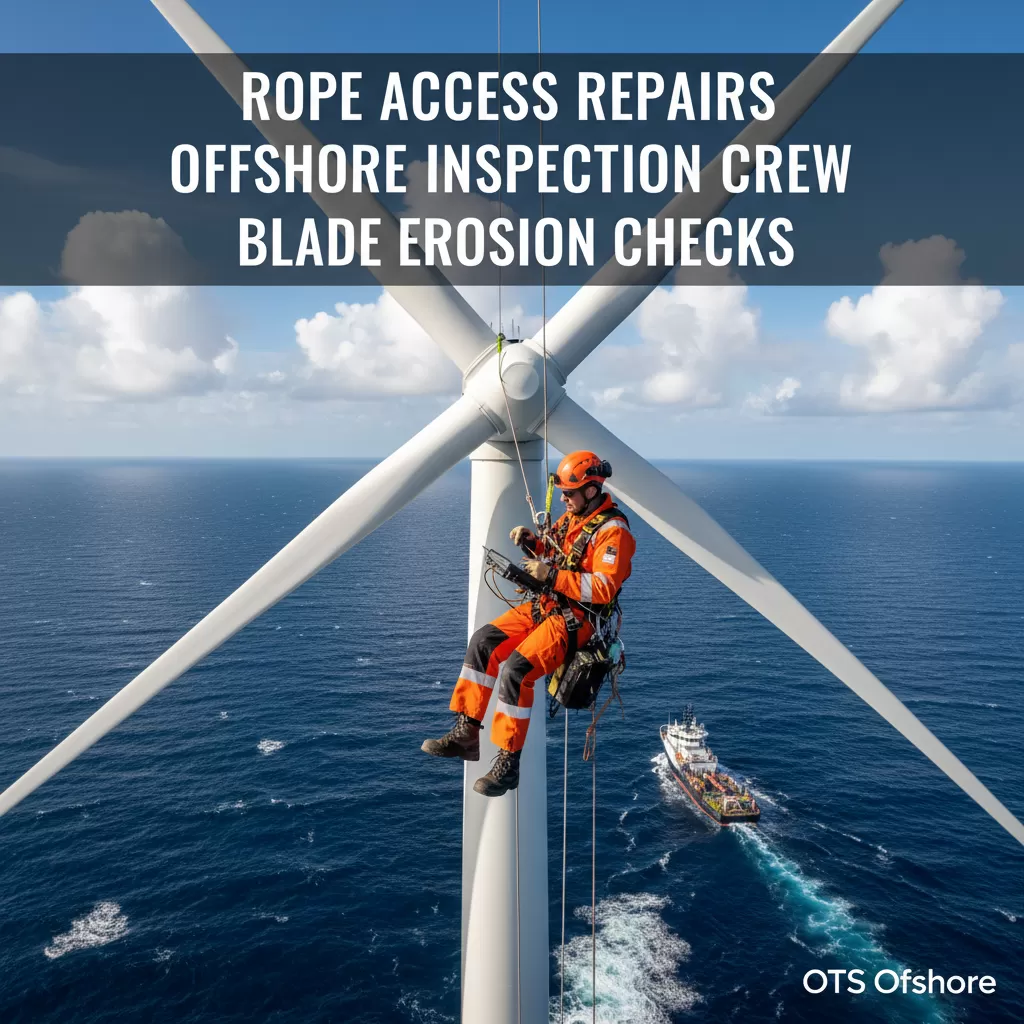
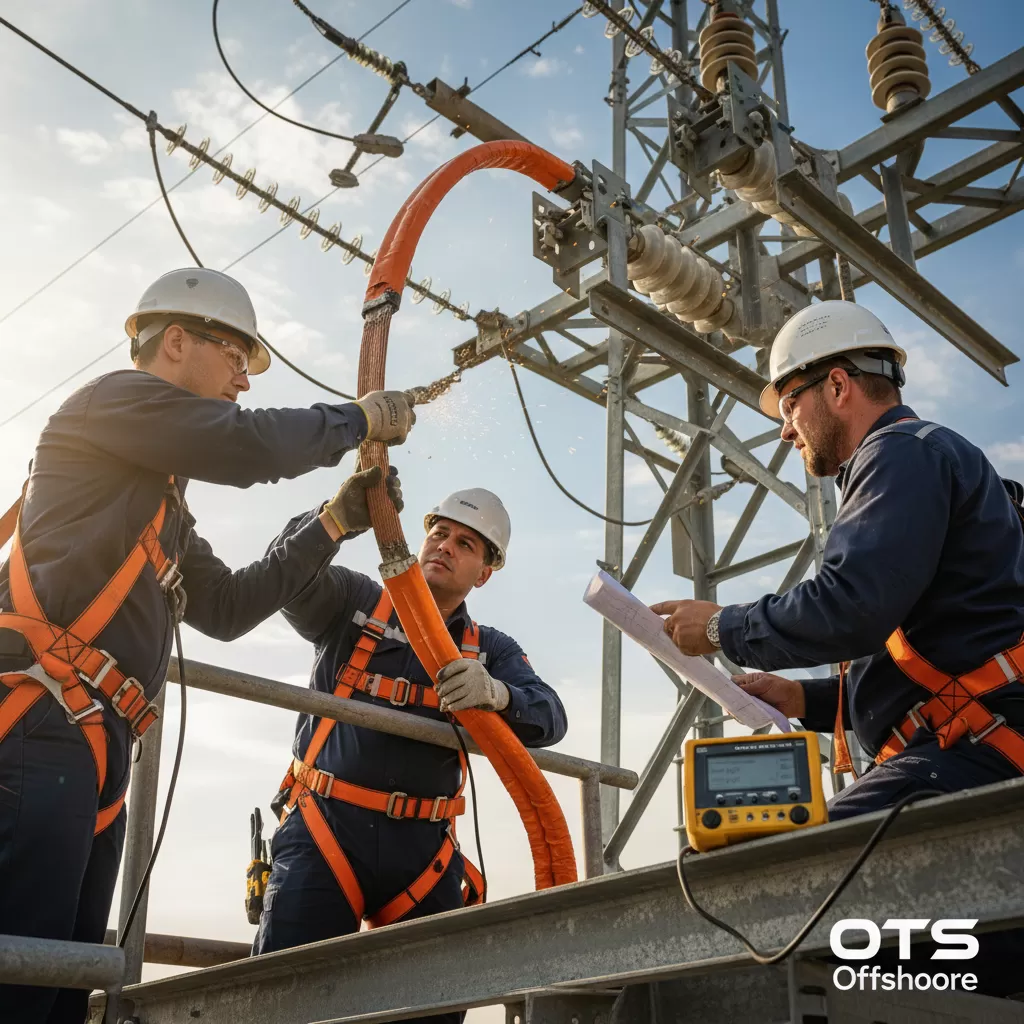
– Utilize fall protection systems, such as safety harnesses, lanyards, and anchor points.
– Ensure that work platforms or scaffolding are secure and inspected regularly.
– Be aware of weather conditions, as wind and rain can significantly increase the risks associated with working at height.
Competency and Training
– Only qualified and trained personnel should be permitted to perform electrical work on tower systems.
– Ensure that technicians are familiar with the specific equipment and safety procedures relevant to the tower environment.
Emergency Preparedness
– Have emergency response plans in place, including access to first aid and emergency services.
– Ensure that communication lines are clear and reliable, especially in remote tower locations.
The challenges associated with maintaining the electrical integrity of tower structures are substantial. By understanding the potential failure modes, employing systematic diagnostic techniques, executing precise repairs, and prioritizing preventative maintenance, operators can significantly enhance the reliability and safety of their critical infrastructure. The ongoing commitment to excellence in troubleshooting repair bars and electrical components is a cornerstone of operational resilience in the demanding energy sector.