

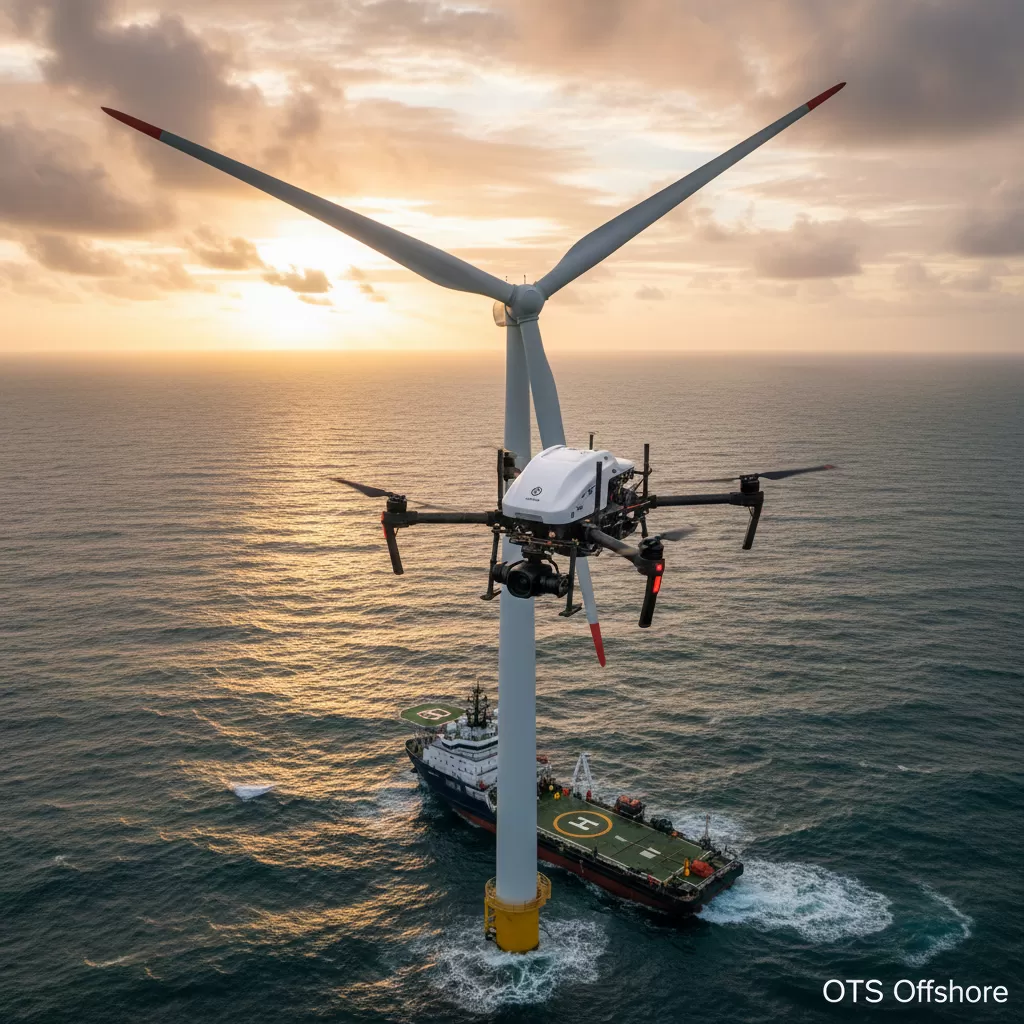
This article delves into the transformative impact of utilizing drone inspection (UAV) for assessing turbine towers and blades in the renewable energy sector. It highlights the evolution from traditional methods to advanced aerial surveys, emphasizing improved efficiency, safety, and data accuracy in wind farm operations.
Utilizing Drone Inspection for Enhanced Turbine Tower and Blade Assessment
The integration of advanced technologies is revolutionizing asset management within the energy sector, and utilizing drone inspection for turbine tower and blade assessment stands at the forefront of this paradigm shift. Traditional methods of inspecting towering wind turbines, often involving manual climbing or the use of manned aircraft, present significant challenges related to safety, cost, and operational downtime. Unmanned Aerial Vehicles (UAVs), commonly known as drones, offer a compelling solution, providing a safer, more efficient, and remarkably detailed approach to evaluating the structural integrity and operational status of wind turbine components. This article explores the multifaceted benefits and operational nuances of utilizing drone inspection for wind turbine towers and blades, underscoring its critical role in maximizing energy production and extending asset lifespan.
The Imperative of Robust Turbine Assessment
Wind turbines, integral to the global transition towards renewable energy, are subject to constant environmental stresses. Factors such as extreme weather conditions, continuous mechanical operation, and environmental exposure can lead to wear and tear, corrosion, and potential structural damage. Regular and thorough assessment of turbine towers and blades is not merely a matter of good maintenance practice; it is fundamental to ensuring operational safety, preventing catastrophic failures, and optimizing energy output. Neglecting these assessments can result in costly repairs, significant production losses due to unscheduled downtime, and, in the most severe cases, pose grave safety risks to personnel and the surrounding environment.
Evolution of Inspection Methodologies
Historically, turbine inspections relied on labor-intensive and inherently hazardous methods. Rope access technicians would meticulously scale each turbine tower and blade, a process demanding specialized training and posing considerable risk of falls. Manned aircraft, such as helicopters, were also employed for aerial surveys, but these offered limited resolution, were expensive to operate, and their flight paths could be restricted by weather conditions and air traffic regulations. The advent of drone technology has fundamentally altered this landscape. These agile aerial platforms, equipped with high-resolution cameras and advanced sensors, can access turbine structures quickly and safely, capturing intricate details that were previously difficult or impossible to obtain. This evolution represents a significant leap forward in the efficiency and effectiveness of wind turbine maintenance strategies.
The Technological Advancements Driving Drone Adoption
The increasing sophistication of drone technology has been a primary driver for its widespread adoption in the energy sector. Modern inspection drones are not simply remote-controlled cameras; they are intelligent platforms capable of autonomous flight, advanced data capture, and sophisticated analysis.
– GPS and Inertial Measurement Units (IMUs): These systems enable precise navigation, allowing drones to maintain stable flight paths at specific altitudes and distances from the turbine, even in turbulent wind conditions.
– High-Resolution Cameras: Equipped with cameras offering resolutions far exceeding standard digital cameras, drones can capture crystal-clear imagery of subtle surface defects, such as cracks, erosion, delamination, and lightning strike damage on blades, as well as structural anomalies on towers.
– Thermal Imaging Capabilities: Infrared (IR) cameras can detect temperature variations, which are crucial for identifying internal component issues like faulty bearings or electrical connections within the nacelle or tower base that might not be visible through visual inspection alone.
– Lidar and Photogrammetry Software: Advanced post-processing software utilizes data captured by drones to create highly accurate 3D models of turbine components. This allows for precise measurement of defects, assessment of structural deformation, and comparison with baseline models over time.
– Artificial Intelligence (AI) and Machine Learning (ML): Increasingly, AI and ML algorithms are being integrated into drone inspection workflows to automate the detection and classification of defects, significantly speeding up the analysis process and reducing human error.
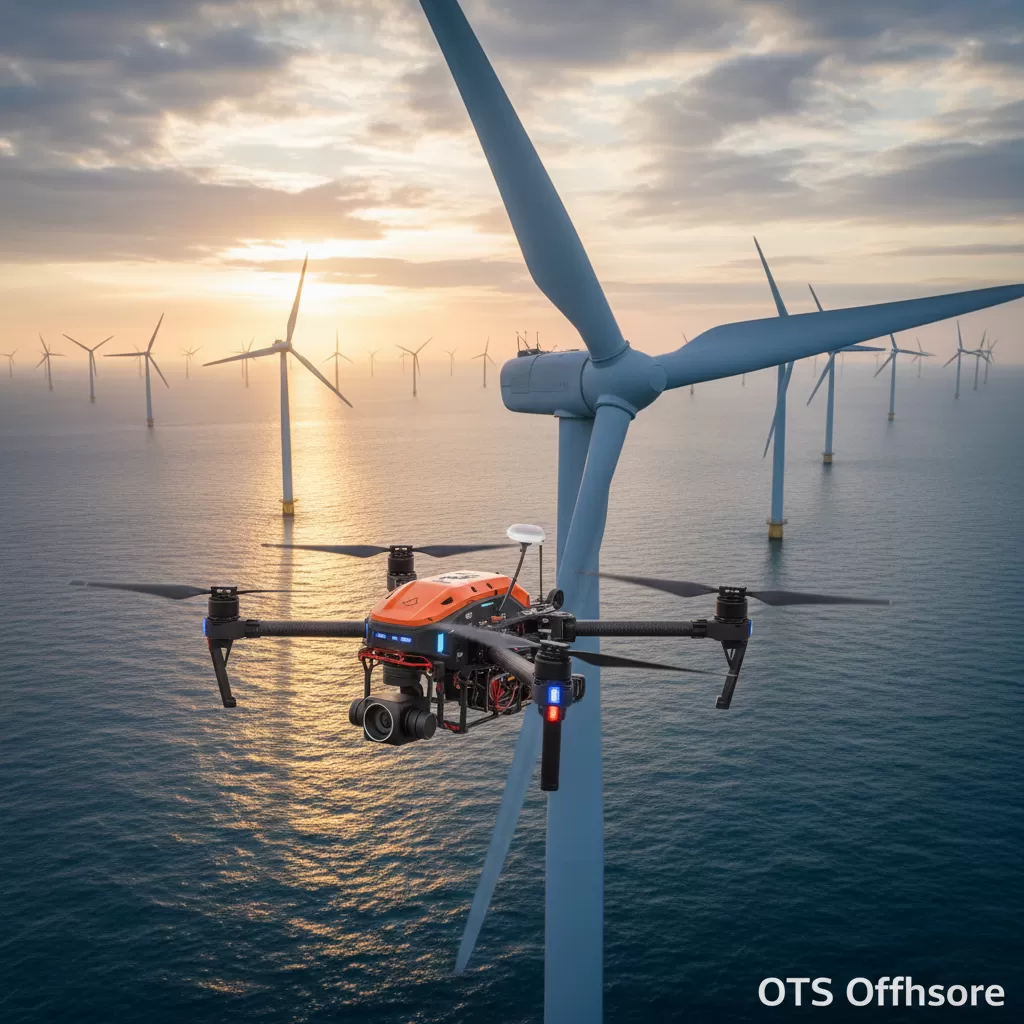
Benefits of Utilizing Drone Inspection for Turbine Towers and Blades
The advantages of employing drones for turbine assessment are numerous and far-reaching, impacting operational efficiency, safety protocols, and financial outcomes.
– Enhanced Safety Profiles: Perhaps the most significant benefit of utilizing drone inspection is the dramatic improvement in safety. By eliminating the need for manual climbing, the risk of falls and other accidents associated with working at height is virtually eliminated. Drones can inspect turbines in challenging weather conditions or at remote locations where human access would be deemed too dangerous or impractical. This allows for more frequent inspections without compromising personnel safety.
– Increased Operational Efficiency and Reduced Downtime: Drones can be deployed rapidly, often within hours of a reported anomaly or for routine checks, minimizing the time turbines are taken offline. A single drone and its operator can inspect multiple turbines in a single day, a task that would take considerably longer and require more resources using traditional methods. This reduction in downtime directly translates to increased energy generation and revenue.
– Superior Data Quality and Detail: Drones equipped with high-resolution cameras and specialized sensors can capture data with an unprecedented level of detail. This granular data allows for the early detection of minor defects that might be missed by less sophisticated inspection methods. Furthermore, the ability to capture imagery from multiple angles and perspectives provides a comprehensive view of the turbine’s condition.
– Cost-Effectiveness: While the initial investment in drone technology and training may seem substantial, the long-term cost savings are significant. Reduced labor costs, minimized equipment rental (e.g., cranes for blade repair access), fewer safety incidents, and the prevention of major failures through early detection all contribute to a more favorable return on investment.
– Improved Predictive Maintenance Strategies: The detailed data collected by drones feeds directly into predictive maintenance programs. By analyzing trends in defect development over time, asset managers can proactively schedule maintenance, order necessary parts in advance, and optimize repair strategies. This shift from reactive to proactive maintenance minimizes unexpected failures and maximizes the lifespan of turbine assets.
– Access to Difficult-to-Reach Areas: Drones can easily access the uppermost sections of turbine towers and the complex geometries of blades, including their tips and trailing edges, which are often the most critical areas for damage. This comprehensive access ensures that no part of the turbine is overlooked during inspection.
Key Applications of Drone Inspection in Turbine Assessment
Utilizing drone inspection extends beyond simple visual checks; it encompasses a range of specialized applications crucial for effective asset management.
Blade Surface Integrity Assessment
Wind turbine blades are constantly exposed to aerodynamic forces, debris impacts, and environmental degradation. Drones excel at inspecting blade surfaces for a variety of common issues:
– Erosion and Leading Edge Damage: The leading edges of blades are particularly susceptible to erosion from rain, hail, and dust particles. Drones can capture high-resolution images to quantify the extent of this damage, which can significantly impact aerodynamic efficiency.
– Cracks and Delamination: Micro-cracks and signs of delamination within the composite materials of the blades can be identified with detailed imagery. Early detection of these issues is critical to prevent catastrophic blade failure.
– Lightning Strike Damage: Turbine blades are frequent targets for lightning strikes. Drones can meticulously document the impact points and assess the structural integrity of the blade in the affected areas.
– Foreign Object Debris (FOD): Inspection drones can identify any debris that may have accumulated on the blades, which can affect performance and potentially cause damage.
Tower Structural Health Monitoring
The integrity of the turbine tower is paramount to its overall stability and safety. Drone inspections provide valuable insights into the condition of the tower structure:
– Corrosion and Paint Deterioration: Drones can capture detailed visual data to assess the extent of corrosion on the tower’s metal surfaces and the condition of its protective coatings.
– Bolt and Weld Integrity: High-resolution imagery can help identify any loose bolts or cracks in welds within the tower structure.
– Access Platform and Ladder Inspections: Drones can inspect the condition of internal and external access ladders, platforms, and other safety features.
– Foundation and Base Assessments: While primarily focused on the tower itself, drones can also capture imagery of the tower’s base and surrounding foundation for any visible signs of distress or environmental impact.
Nacelle and Drivetrain Component Checks
Although often requiring specialized drone configurations and flight paths, drones can also assist in inspecting the nacelle and its internal components, especially those that are difficult to access visually from the ground.
– External Nacelle Condition: Assessing the paintwork, panel integrity, and any visible external damage to the nacelle housing.
– Cooling Systems and Vents: Inspecting for blockages or damage to cooling fans and air vents.
– Yaw and Pitch Systems: In some cases, drones can provide visual confirmation of the condition of external components of the yaw and pitch control systems.
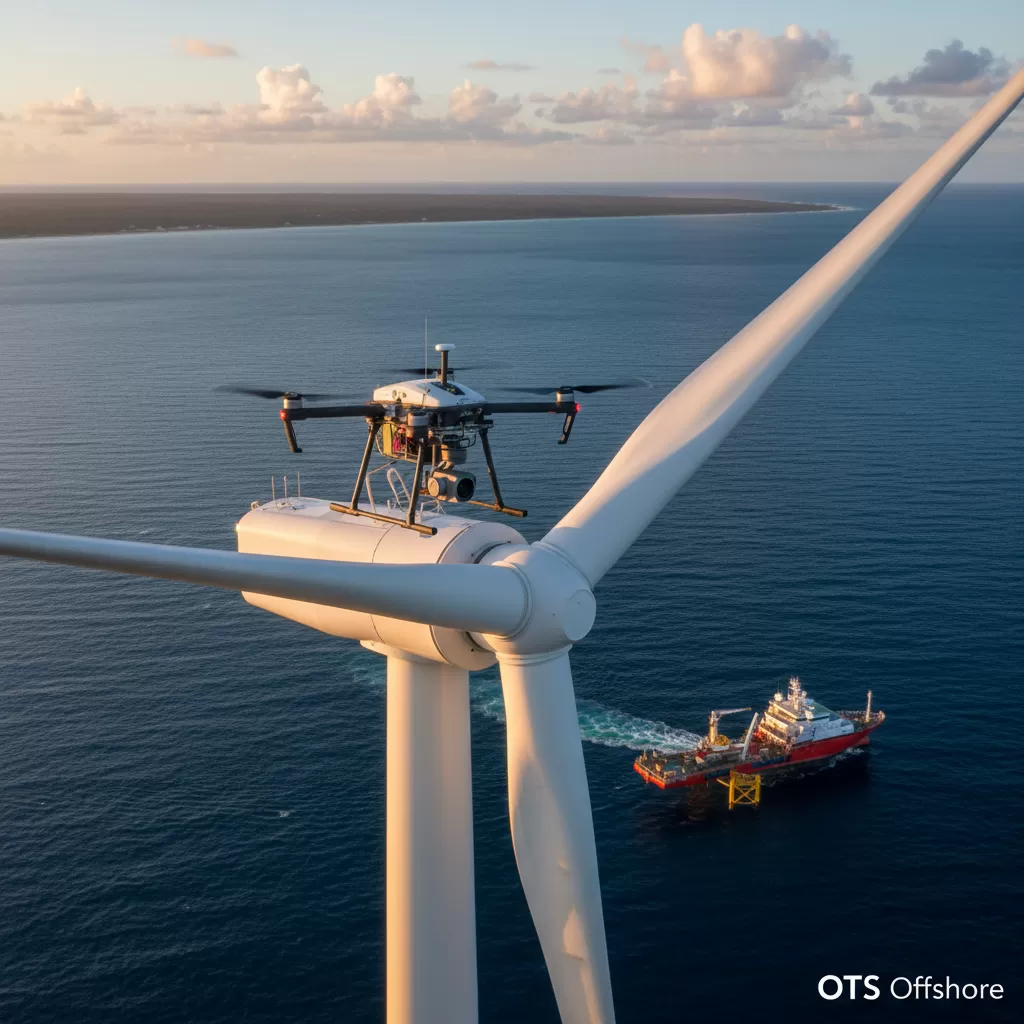
The Process of Utilizing Drone Inspection
A typical drone inspection workflow for wind turbines involves several distinct phases, each requiring careful planning and execution.
Pre-Flight Planning and Preparation
This critical phase sets the foundation for a successful inspection. It involves:
– Defining Inspection Objectives: Clearly outlining what specific components need to be inspected and what types of defects are being looked for.
– Site Assessment: Evaluating the wind farm layout, turbine locations, potential flight hazards (e.g., other structures, power lines), and prevailing weather conditions.
– Drone Selection and Configuration: Choosing the appropriate drone model, camera payload (e.g., high-resolution RGB, thermal, multispectral), and any necessary accessories.
– Flight Path Planning: Utilizing specialized software to generate automated or semi-automated flight paths that ensure complete coverage of the target components at optimal distances and altitudes.
– Safety Briefing and Risk Assessment: Conducting a thorough risk assessment for the flight operations and briefing all personnel involved.
– Obtaining Necessary Permissions: Ensuring compliance with all local aviation regulations and obtaining any required permits for drone operations.
On-Site Data Acquisition
This is the phase where the drone is deployed to capture the required imagery and sensor data.
– Drone Deployment and Flight Execution: The pilot remotely operates the drone, following the pre-programmed flight path or manually navigating to capture specific areas of interest.
– Real-time Monitoring: The pilot and potentially a visual observer monitor the drone’s flight progress, camera feed, and battery levels.
– Data Storage: All captured data is securely stored on the drone’s onboard memory or transmitted to a ground station.
– Geotagging: Ensuring that all captured data is accurately geotagged for precise location referencing.
Data Processing and Analysis
The raw data collected by the drone is then processed and analyzed to extract meaningful insights.
– Data Download and Organization: Transferring the captured data from the drone to a computer for processing.
– Image Stitching and Orthomosaic Generation: For visual inspections, software can stitch together multiple images to create a seamless, high-resolution orthomosaic of the turbine component.
– 3D Modeling (Photogrammetry/Lidar): Creating detailed 3D models of blades and towers to enable precise measurements and volumetric analysis.
– Defect Detection and Classification: Using AI-powered software or manual review by skilled inspectors to identify, quantify, and classify different types of defects.
– Thermal Analysis: Processing thermal imagery to identify abnormal temperature signatures indicative of underlying issues.
– Reporting: Generating comprehensive inspection reports that detail findings, provide photographic evidence, quantify defect severity, and offer recommendations for maintenance or repair.
Challenges and Considerations in Utilizing Drone Inspection
While the benefits are substantial, successfully implementing and scaling drone inspection programs requires addressing certain challenges.
– Regulatory Landscape: Drone operations are subject to evolving aviation regulations, which can vary significantly by region. Staying compliant with these regulations is paramount.
– Weather Dependency: While drones can operate in a wider range of conditions than manual inspectors, extreme weather events such as high winds, heavy rain, or lightning can still ground operations.
– Data Management and Storage: The volume of high-resolution data generated by drone inspections can be substantial, requiring robust data management systems and significant storage capacity.
– Pilot Training and Certification: Ensuring that drone pilots are adequately trained, certified, and experienced in operating drones for industrial inspections is crucial for safety and data quality.
– Integration with Existing Systems: Integrating drone inspection data into existing asset management and maintenance planning systems can require technical expertise and software development.
– Advanced Analysis Expertise: Interpreting the complex data sets, especially from thermal and 3D models, requires specialized knowledge and analytical tools.
The Future of Utilizing Drone Inspection in Wind Energy
The trajectory of utilizing drone inspection in the wind energy sector is one of continuous innovation and expansion. As drone technology advances, we can anticipate further integration of AI for autonomous defect identification and analysis, extended flight times through improved battery technology, and the development of specialized drone swarms capable of inspecting multiple turbines simultaneously. Furthermore, the integration of drone data with other sensor technologies, such as IoT devices on turbines, will create a more holistic and intelligent approach to asset management. The role of drones in ensuring the reliability, safety, and efficiency of wind energy infrastructure is set to become even more indispensable.