

Utilizing drone inspection offers a revolutionary approach to assessing turbine towers and blades, enhancing safety, efficiency, and cost-effectiveness in wind energy operations. This comprehensive guide delves into the technical nuances, operational benefits, and future potential of Unmanned Aerial Vehicle (UAV) technology in this critical sector of the energy industry.
The Transformative Impact of Utilizing Drone Inspection for Turbine Tower and Blade Assessment
The wind energy sector, a cornerstone of renewable power generation, relies heavily on the continuous and optimal performance of its turbines. These intricate mechanical structures, exposed to harsh environmental conditions, require meticulous and regular inspection to ensure operational integrity, safety, and longevity. Traditionally, turbine tower and blade inspections have been labor-intensive, time-consuming, and inherently risky endeavors, often involving manual climbing and scaffolding. However, the advent and widespread adoption of advanced technologies have begun to reshape these practices. At the forefront of this transformation is the practice of utilizing drone inspection, also known as Unmanned Aerial Vehicle (UAV) inspection, which is fundamentally altering how the condition of wind turbines is assessed. This method not only mitigates many of the dangers associated with manual inspections but also significantly enhances the quality and speed of data acquisition, leading to more informed decision-making and optimized maintenance strategies. The strategic integration of utilizing drone inspection into routine and preventative maintenance schedules is becoming increasingly indispensable for operators aiming to maximize energy output, minimize downtime, and ensure the highest safety standards across their wind farm portfolios.
Understanding the Technological Foundation of Utilizing Drone Inspection
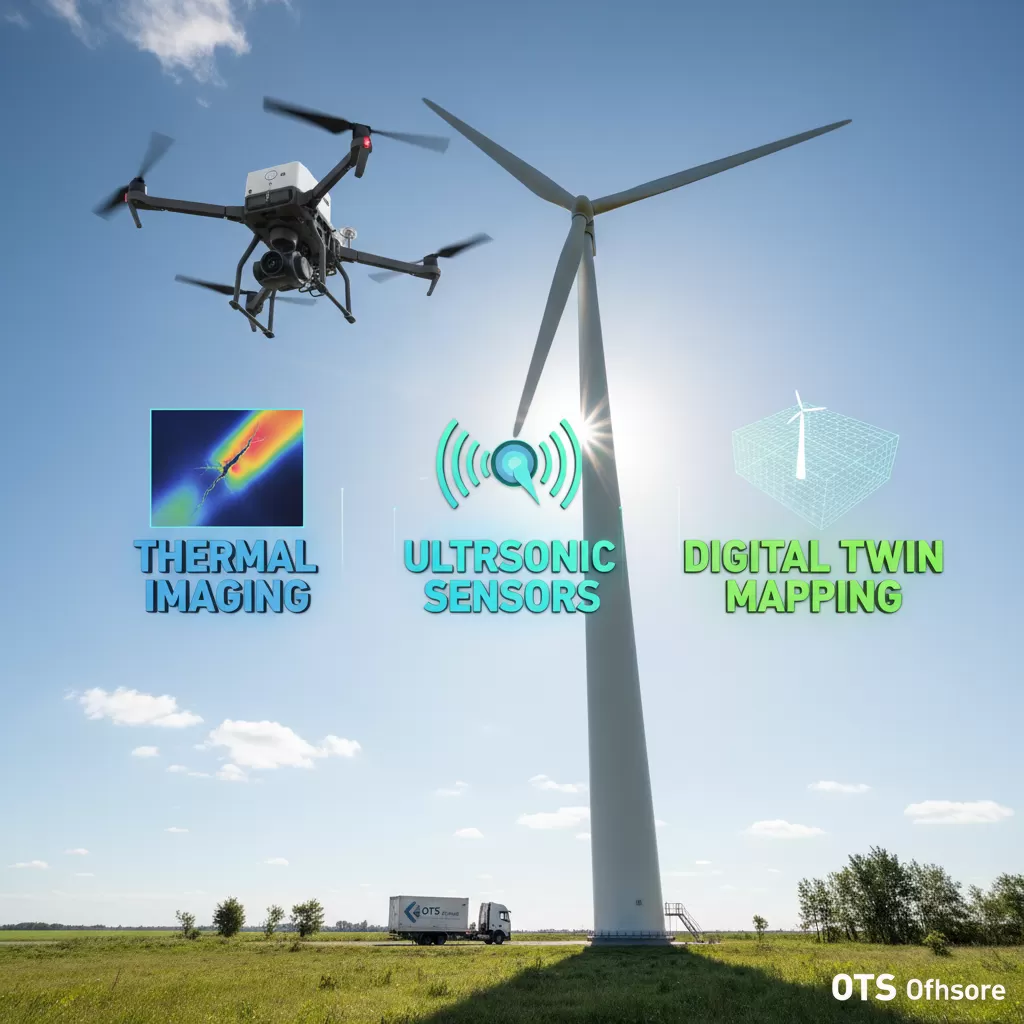
At its core, utilizing drone inspection leverages sophisticated Unmanned Aerial Vehicles equipped with a suite of advanced sensors and cameras to perform visual and data-gathering tasks. These UAVs, often referred to as drones, range from small, agile quadcopters to larger, more robust fixed-wing aircraft, each tailored to specific operational requirements and environmental conditions. The primary data acquisition tools employed in these inspections include high-resolution visual cameras, thermal imaging cameras, and increasingly, LiDAR (Light Detection and Ranging) sensors. High-resolution cameras are crucial for capturing detailed imagery of the turbine tower’s structural integrity, identifying surface defects such as cracks, corrosion, delamination, and impact damage on blades. Thermal imaging, a key component of utilizing drone inspection, plays a vital role in detecting anomalies that may not be visible to the naked eye. It can identify variations in temperature, which can indicate electrical faults in the nacelle or tower, or structural weaknesses in the blades where moisture ingress might be occurring, leading to localized temperature changes. LiDAR technology, on the other hand, offers advanced three-dimensional mapping capabilities, enabling precise measurements of blade geometry, pitch, and deformation, as well as detailed topographic surveys of the surrounding terrain and tower foundation.
The operational parameters of these drones are meticulously controlled through sophisticated flight planning software. Pre-programmed flight paths ensure comprehensive coverage of the entire turbine structure, from the base of the tower to the tip of the blades, guaranteeing that no critical area is overlooked. Advanced navigation systems, including GPS and GLONASS, coupled with inertial measurement units (IMUs) and obstacle avoidance sensors, allow for safe and precise operation, even in challenging wind conditions or complex operational environments. Data transmission capabilities are also a critical aspect, with real-time or near-real-time streaming of captured data back to ground control stations, facilitating immediate analysis and decision-making. Furthermore, the increasing sophistication of onboard processing power allows for preliminary data analysis directly on the drone, further accelerating the inspection workflow. The robustness of these systems in handling diverse weather patterns, including moderate winds and rain, is a testament to the continuous advancements in UAV hardware and software engineering, making utilizing drone inspection a reliable solution.
Key Sensor Technologies Enabling Effective Utilizing Drone Inspection
– High-Resolution RGB Cameras: Essential for capturing detailed visual evidence of surface defects and overall structural condition. These cameras provide sharp, clear images that allow for the identification of hairline cracks, minor abrasions, and subtle signs of wear and tear. The quality of the imagery is paramount for subsequent analysis and record-keeping.
– Thermal Imaging Cameras: Detect heat signatures, revealing potential internal issues like faulty electrical connections, delamination within composite materials, or areas of moisture accumulation that can compromise structural integrity. Thermal data provides a layer of insight that visual inspection alone cannot offer.
– LiDAR Sensors: Used for precise 3D mapping and dimensional analysis. This technology can accurately measure blade profiles, assess pitch angles, and detect any deviations from the original design specifications, which is crucial for aerodynamic performance and structural health monitoring.
– Ultraviolet (UV) Cameras: Increasingly employed to detect micro-cracks or subsurface defects that may not be visible even with high-resolution RGB imagery. UV fluorescence can highlight areas of stress or damage that require closer investigation.
– Ultrasonic Transducers: Integrated into some specialized drones for non-destructive testing (NDT) of blade materials. These can assess internal composite structures for voids or delaminations, providing a more in-depth analysis of material health.
The Operational Advantages of Utilizing Drone Inspection in Wind Turbines
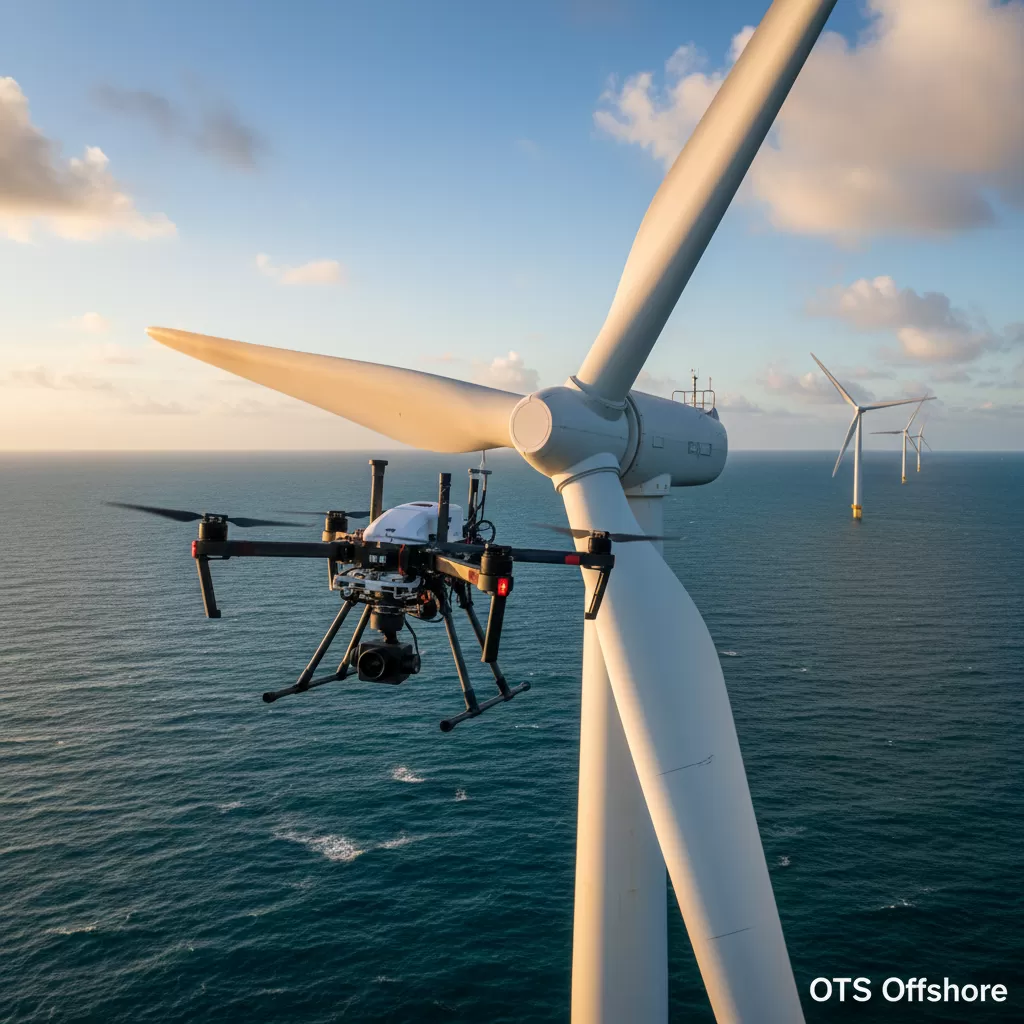
The shift towards utilizing drone inspection for wind turbine assessments brings forth a cascade of operational advantages that directly impact the efficiency, safety, and economic viability of wind energy generation. One of the most significant benefits is the dramatic reduction in safety risks. Traditional inspection methods often require personnel to ascend towering structures, work at heights, and navigate potentially hazardous conditions, increasing the likelihood of accidents. Drones, operated remotely from the ground, eliminate these risks entirely, ensuring the well-being of inspection crews. This inherent safety improvement is a primary driver for the adoption of utilizing drone inspection technology.
Moreover, the speed and efficiency of drone inspections are unparalleled. A single drone, equipped with advanced sensors and operated by a trained pilot, can complete a comprehensive inspection of a turbine tower and blades in a fraction of the time it would take for a manual inspection team. This accelerated process minimizes turbine downtime, a critical factor in maximizing energy production and revenue generation. Reduced downtime translates directly into increased uptime and a higher overall capacity factor for the wind farm.
Cost savings are another compelling advantage of utilizing drone inspection. While there is an initial investment in drone technology and training, the long-term operational costs are significantly lower compared to traditional methods. Eliminating the need for extensive scaffolding, rope access equipment, and large inspection crews substantially reduces labor costs, equipment rental fees, and logistical expenses associated with site access and safety provisions. This economic efficiency makes drone inspection a highly attractive option for wind farm operators.
The quality and detail of the data captured by drones also represent a significant operational improvement. High-resolution imagery and sensor data provide a detailed, objective record of the turbine’s condition. This data can be archived, compared over time, and analyzed with sophisticated software to identify subtle trends and predict potential issues before they escalate into critical failures. This proactive approach to maintenance, enabled by robust data analytics derived from utilizing drone inspection, allows for more precise and timely repairs, preventing costly emergency interventions and extending the operational life of the turbines. Furthermore, the comprehensive visual record serves as an invaluable asset for maintenance planning, asset management, and insurance claims.
Quantifiable Benefits of Implementing Utilizing Drone Inspection
– Reduced Personnel Risk: Eliminating the need for human ascent to hazardous heights.
– Accelerated Inspection Cycles: Completing assessments in hours rather than days or weeks.
– Minimized Turbine Downtime: Allowing turbines to return to service faster, boosting energy generation.
– Lower Operational Expenditures: Decreasing costs associated with labor, equipment, and logistics.
– Enhanced Data Accuracy and Detail: Providing comprehensive visual and thermal data for precise defect identification.
– Proactive Maintenance Planning: Enabling early detection and prediction of potential failures.
– Improved Asset Lifespan: Facilitating timely interventions that prevent major structural degradation.
– Detailed Digital Records: Creating a valuable historical archive for asset management and reporting.
The Technical Process: How Utilizing Drone Inspection is Conducted
The process of utilizing drone inspection for wind turbine assessment is a systematic and data-driven procedure, meticulously planned and executed to ensure comprehensive coverage and accurate data capture. It begins with thorough pre-flight planning, where the inspection objectives are clearly defined. This involves identifying specific areas of concern, if any, based on previous inspections, operational history, or manufacturer recommendations. Flight paths are then generated using specialized software, designed to ensure optimal viewing angles and sufficient overlap between images for photogrammetry and 3D modeling. The flight plan takes into account turbine height, blade length, prevailing wind conditions, and potential obstructions to ensure safe and efficient operation.
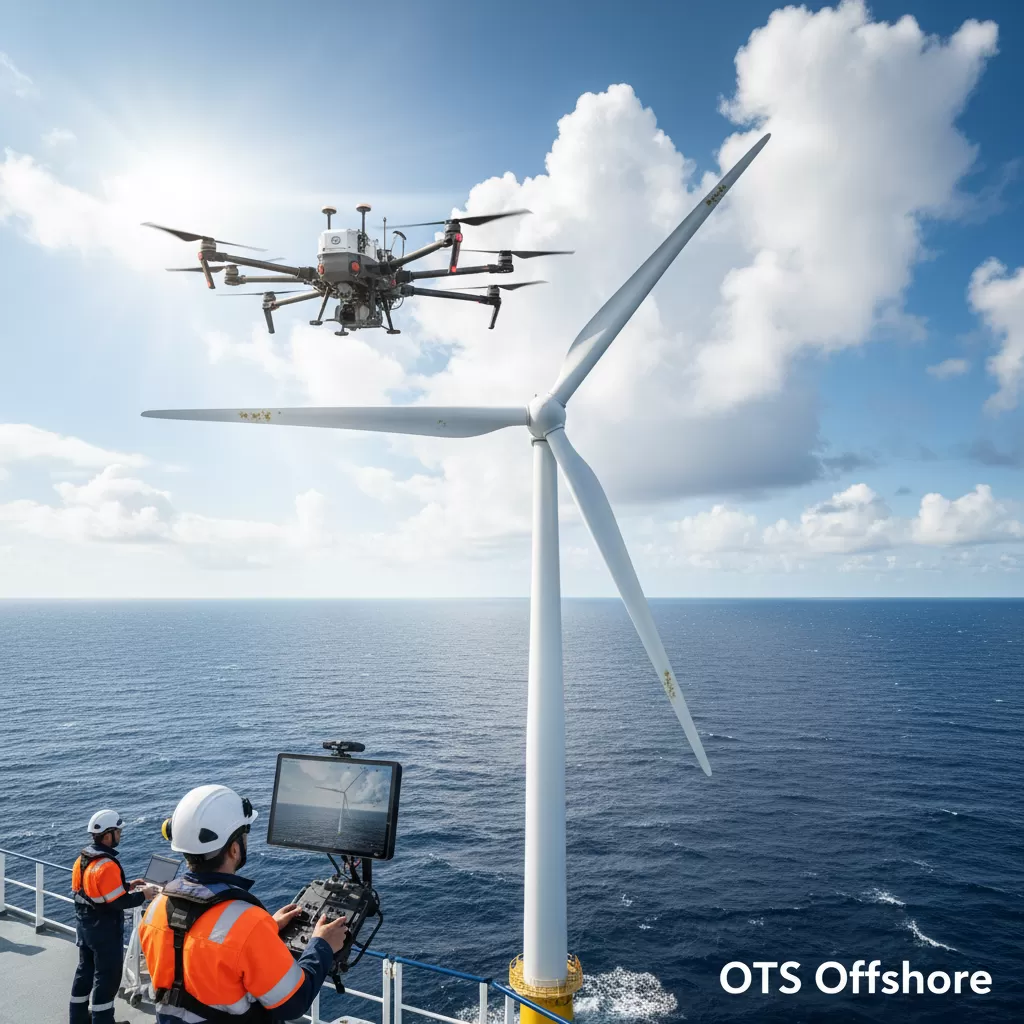
On-site, the inspection team typically comprises a certified drone pilot and an inspector or data analyst. The pilot operates the drone according to the pre-programmed flight plan or manually pilots it for specific detailed inspections. The drone ascends to the required altitudes, systematically capturing high-resolution imagery and sensor data as it traverses the turbine tower and blades. For blade inspections, the drone often circles the rotor at a controlled distance, performing multi-angle scans to capture the leading edge, trailing edge, blade surfaces, and root connections. Automated flight patterns can be programmed to maintain consistent standoff distances and speeds, ensuring uniform data quality.
During the flight, real-time data streams are monitored, allowing the pilot and inspector to make adjustments as needed, such as deviating from the path to get a closer look at a suspicious anomaly or repositioning to capture a more advantageous angle. Some advanced systems allow for immediate onboard analysis, flagging potential defects for immediate review. Following the flight, the collected data is downloaded and processed. This processing often involves stitching together hundreds or thousands of high-resolution images to create detailed 2D orthomosaics and 3D models of the turbine. Photogrammetry software is used to generate these reconstructions, allowing for precise measurements and defect quantification.
The data is then analyzed by experienced inspectors who are trained to identify various types of damage and defects specific to wind turbine components. This analysis involves reviewing visual images, thermal maps, and LiDAR data to pinpoint issues such as cracks, erosion, lightning strike damage, corrosion, delamination, and any signs of structural compromise. The findings are documented in a comprehensive inspection report, which typically includes annotated images, defect descriptions, severity assessments, and recommendations for corrective actions. This detailed report serves as the foundation for maintenance scheduling and asset management decisions, making utilizing drone inspection a pivotal step in the operational lifecycle of a wind turbine.
Phased Approach to Utilizing Drone Inspection Execution
– Pre-Flight Planning: Defining objectives, analyzing turbine geometry, and generating flight paths.
– Site Mobilization and Equipment Check: Transporting equipment, conducting pre-flight checks, and ensuring regulatory compliance.
– Drone Flight Operations: Executing programmed or manual flight plans for data acquisition.
– Data Download and Processing: Transferring captured data and utilizing software for image stitching and model generation.
– Data Analysis and Defect Identification: Expert review of visual, thermal, and LiDAR data to detect anomalies.
– Reporting and Recommendation: Compiling a detailed report with findings and proposed maintenance actions.
– Post-Inspection Review: Discussing findings with stakeholders and integrating recommendations into maintenance strategies.
Addressing Challenges and Enhancing the Effectiveness of Utilizing Drone Inspection
Despite the significant advantages, the effective implementation of utilizing drone inspection for wind turbine assessments is not without its challenges. One of the primary hurdles is navigating regulatory frameworks. Different regions and countries have specific regulations governing drone operation, including airspace restrictions, pilot certification requirements, and payload limitations. Ensuring compliance with these evolving regulations is paramount for safe and legal operations. Furthermore, adverse weather conditions, such as high winds, heavy precipitation, or lightning, can restrict drone deployment, potentially impacting the regularity of inspections and requiring contingency planning.
The technical sophistication of the equipment and the need for specialized expertise also present challenges. Operating drones safely and effectively in complex environments, and interpreting the vast amounts of data generated, requires highly trained and certified personnel. Continuous professional development and training programs are essential to keep pace with technological advancements and ensure optimal data quality. Another consideration is the investment in robust data management and analysis infrastructure. The sheer volume of data collected necessitates secure storage solutions and advanced software for processing, analysis, and reporting, which can represent a significant capital expenditure.
However, these challenges are being actively addressed through ongoing technological innovation and industry collaboration. The development of more weather-resilient drones, advanced autonomous flight capabilities that can adapt to changing conditions, and AI-powered data analysis tools are continuously enhancing the effectiveness and reliability of utilizing drone inspection. Standardization of inspection protocols and reporting formats across the industry is also crucial for ensuring comparability and benchmarking of inspection results.
Furthermore, integrating drone inspection data with other asset management systems, such as SCADA (Supervisory Control and Data Acquisition) data and historical maintenance records, can unlock deeper insights and enable more predictive maintenance strategies. The development of digital twins for wind turbines, which are virtual replicas updated with real-time inspection data, holds immense potential for advanced diagnostics and performance optimization. Continuous research and development in sensor technology, such as the integration of ground-penetrating radar for foundation inspections or advanced acoustic sensors for detecting internal blade damage, will further expand the capabilities of utilizing drone inspection. Collaboration between drone manufacturers, software developers, wind farm operators, and regulatory bodies is vital to overcome remaining barriers and fully capitalize on the potential of this transformative technology.
Strategies for Overcoming and Optimizing Utilizing Drone Inspection
– Proactive Regulatory Monitoring: Staying updated on evolving drone operation laws and obtaining necessary certifications.
– Weather Contingency Planning: Developing alternative inspection schedules and fallback procedures for adverse conditions.
– Investment in Training and Certification: Ensuring personnel possess the requisite skills for safe operation and data interpretation.
– Robust Data Management Systems: Implementing secure cloud storage and powerful analytical software.
– Integration with Other Asset Data: Combining drone insights with SCADA, maintenance logs, and sensor data.
– Embracing AI and Machine Learning: Leveraging algorithms for automated defect detection and predictive analytics.
– Industry Standardization Efforts: Participating in working groups to define common protocols and reporting metrics.
– Continuous Technological Advancement: Exploring new sensor technologies and drone capabilities.
The future of utilizing drone inspection in the wind energy sector is incredibly promising. As the technology matures and becomes more accessible, its integration will become a standard practice, driving new levels of efficiency, safety, and performance. The ongoing miniaturization of sensors, improvements in battery technology for extended flight times, and the development of sophisticated AI algorithms for automated analysis will further solidify its position as an indispensable tool for the sustainable growth of renewable energy.