


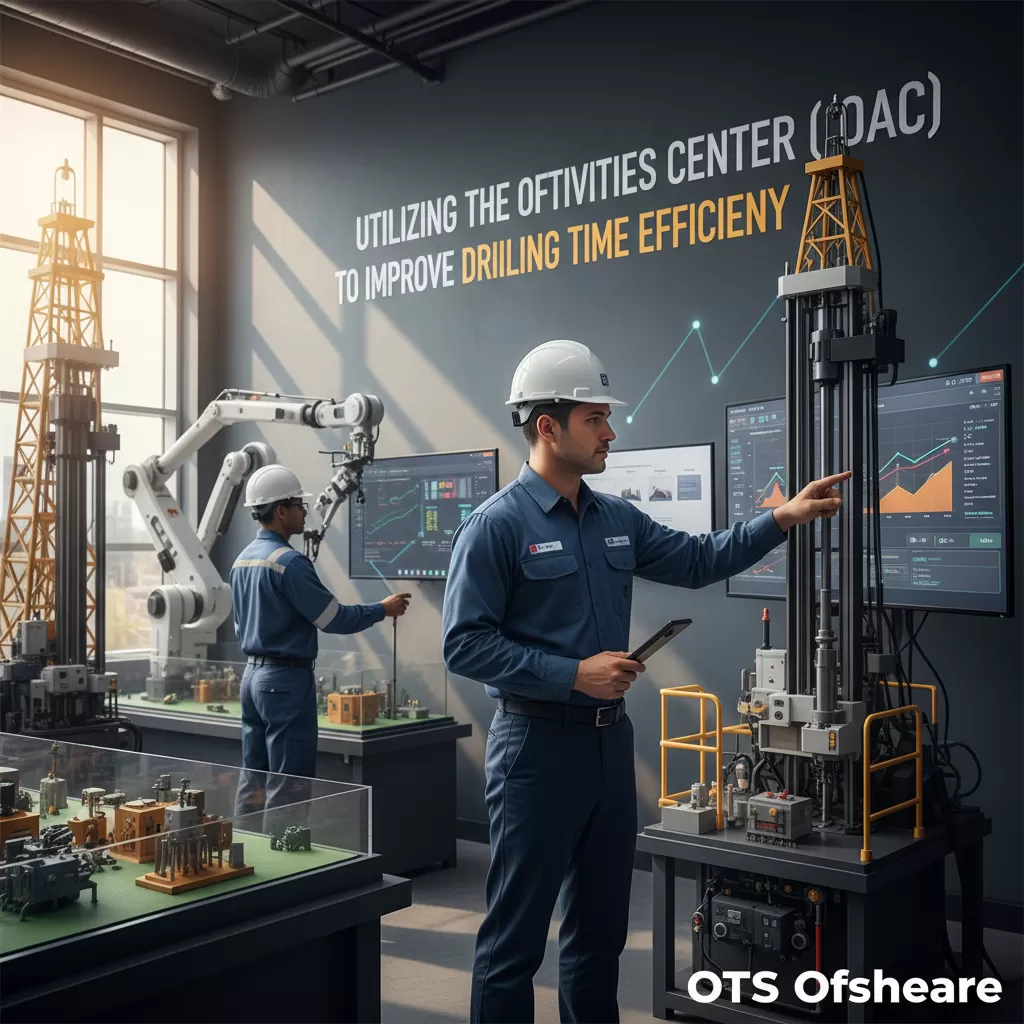
Utilizing Offline Activities to Improve Drilling Time Efficiency focuses on leveraging non-digital methods and on-site collaboration to streamline drilling operations, reduce non-productive time (NPT), and enhance overall project performance in the oil and gas sector. This approach emphasizes the critical role of physical presence and direct interaction in overcoming complex drilling challenges.
Utilizing Offline Activities to Unlock Drilling Time Efficiency
The drive for enhanced drilling time efficiency in the upstream oil and gas industry is relentless. As exploration and production campaigns push into more challenging geological formations and remote locations, minimizing Non-Productive Time (NPT) and maximizing efficient drilling operations become paramount. While digital technologies and advanced data analytics offer significant benefits, the strategic utilization of offline activities and on-site collaboration remains a cornerstone for achieving true operational excellence. This article delves into the multifaceted ways in which embracing and optimizing offline activities can directly contribute to reducing drilling time, improving decision-making, and ultimately, lowering the cost per barrel. Focusing on leveraging physical presence, hands-on problem-solving, and direct team synergy provides a robust framework for enhancing the speed and effectiveness of drilling campaigns.
The Undeniable Importance of Utilizing Offline Activities in Modern Drilling
In an era saturated with remote monitoring, AI-driven insights, and cloud-based collaboration platforms, the concept of “offline activities” might seem counterintuitive to efficiency. However, within the complex and often hazardous environment of drilling operations, these activities are not merely supplementary; they are fundamental enablers of speed and accuracy. The very nature of drilling – involving heavy machinery, subterranean challenges, and dynamic geological conditions – necessitates a tangible, on-the-ground presence and direct human interaction. Utilizing offline activities ensures that critical decisions are informed by immediate sensory input and collective expertise, bypassing potential delays or misinterpretations inherent in purely digital workflows.
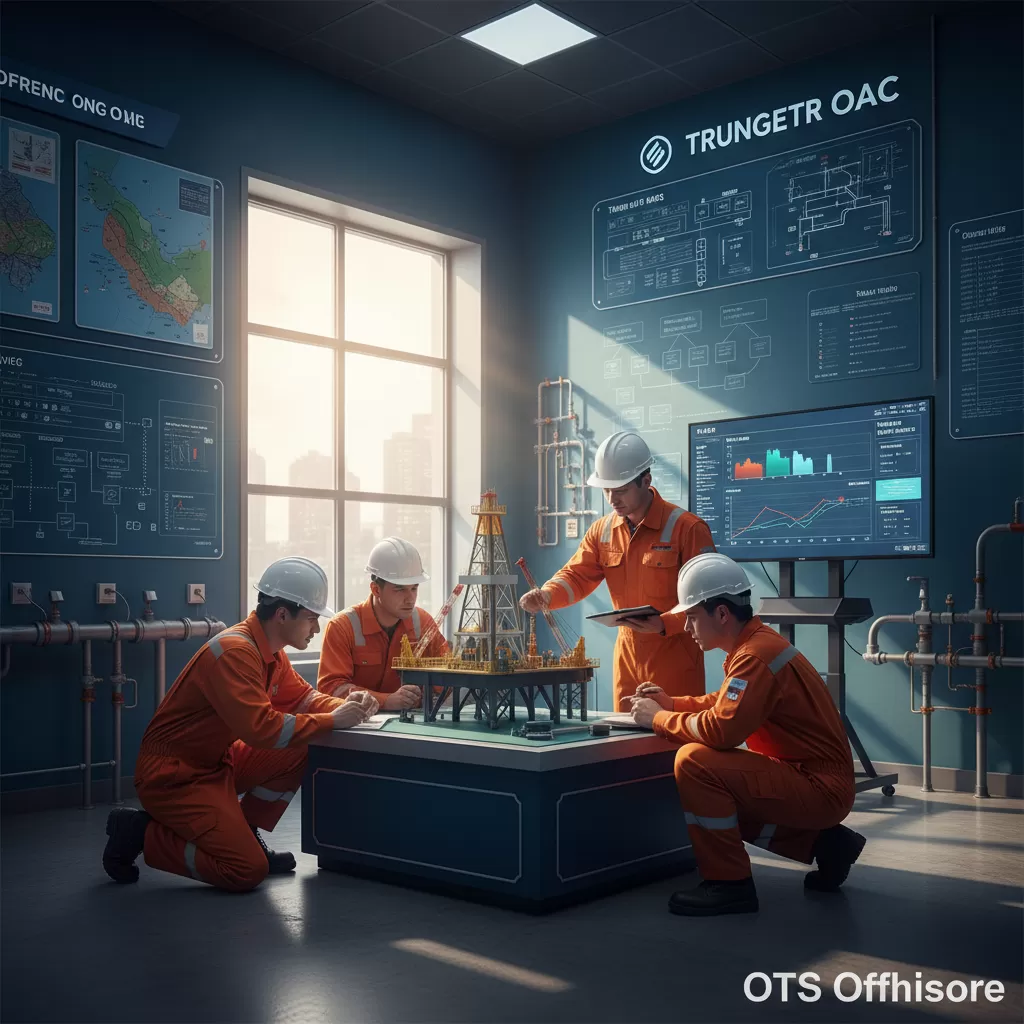
The physical act of being on the rig floor, observing the drilling process firsthand, and engaging in face-to-face discussions among engineers, geologists, tool pushers, and rig crews fosters a unique problem-solving dynamic. This direct engagement allows for the rapid identification and rectification of issues that might not be immediately apparent through remote sensing or data streams alone. When drilling parameters deviate unexpectedly, or when equipment exhibits subtle anomalies, the keen eye and experienced intuition of personnel on site are often the first and most effective line of defense. The collaborative atmosphere fostered by these offline interactions cultivates a shared understanding and ownership of challenges, leading to quicker, more decisive actions. This emphasis on physical presence and direct communication is a powerful antidote to the potential isolation and information silos that can emerge in highly digitized environments, ultimately driving down drilling time.
Key Pillars Supporting Utilizing Offline Activities for Enhanced Drilling Performance
Several interconnected pillars form the foundation for effectively utilizing offline activities to boost drilling time efficiency. These are not isolated tactics but rather integrated components of a holistic operational strategy.
– Real-time, On-Site Problem Solving: The ability for rig crews and on-site engineers to directly diagnose and resolve issues as they arise is invaluable. This bypasses lengthy communication chains and remote consultation delays.
– Enhanced Crew Communication and Collaboration: Face-to-face briefings, pre-job safety meetings, and impromptu discussions among rig personnel foster clarity, understanding, and a unified approach to operations.
– Immediate Feedback Loops: Observing drilling fluid behavior, cuttings characteristics, and equipment performance directly provides immediate, qualitative data that complements quantitative sensor readings.
– Hands-on Equipment Inspection and Maintenance: Regular physical checks and immediate adjustments to drilling equipment ensure optimal performance and prevent minor issues from escalating into significant NPT events.
– Geological Interpretation and Decision Making: Geologists on-site can conduct immediate analysis of rock samples and formation data, enabling rapid adjustments to drilling trajectory and wellbore placement.
– Training and Skill Development: On-the-job training and direct supervision by experienced personnel during critical operations accelerate skill acquisition and ensure best practices are consistently applied.
– Safety Culture Reinforcement: Regular on-site safety talks, hazard identification sessions, and visible leadership commitment to safety are crucial for preventing incidents that lead to NPT.
The Direct Impact of Utilizing Offline Activities on Non-Productive Time (NPT) Reduction
Non-Productive Time (NPT) is the nemesis of efficient drilling operations, representing significant financial losses and project delays. Utilizing offline activities directly combats NPT by addressing its root causes proactively and reactively with speed and precision. When drilling problems emerge, such as stuck pipe, lost circulation, or equipment malfunctions, the immediate presence of experienced personnel on the rig floor allows for rapid assessment. Instead of waiting for data to be transmitted, analyzed remotely, and then for instructions to be relayed back, the on-site team can commence troubleshooting immediately. This can involve physical manipulation of equipment, direct observation of subsurface conditions through mud logs and cuttings, and collaborative brainstorming among the crew.
Furthermore, the emphasis on pre-job planning and execution during offline meetings significantly mitigates the risk of human error, a common contributor to NPT. Daily rig meetings, where potential hazards are discussed, tasks are clearly delegated, and operational objectives are reiterated, ensure that everyone on the team is aligned. This reduces the likelihood of misunderstandings or overlooked procedures that could lead to incidents or equipment damage. The tactile nature of verifying toolstring components, confirming torque values, and visually inspecting connections before running them into the wellbore, all part of routine offline activities, provides an extra layer of assurance against mechanical failures. By fostering an environment where proactive intervention and swift corrective actions are the norm, the effective utilization of offline activities becomes a powerful tool in the relentless pursuit of minimizing NPT and maximizing drilling efficiency.
5 Critical Areas Where Utilizing Offline Activities Yields Immediate Drilling Gains
The practical application of utilizing offline activities can be observed across numerous critical phases of a drilling operation, each contributing to a tangible reduction in time spent not drilling.
– Well Planning and Pre-Spud Meetings: Bringing the entire operational team – from rig supervisors and drilling engineers to directional drillers and mud engineers – together on-site for in-depth reviews of the well plan, hazard assessments, and contingency planning is crucial. This ensures a shared understanding of the objectives and potential challenges before drilling commences. Face-to-face discussions allow for immediate clarification of ambiguities and a unified approach to risk mitigation.
– Daily Drilling Operations Reviews: Conducting daily stand-up meetings on the rig floor, even for brief periods, allows for immediate feedback on the previous day’s performance, identification of any emerging issues, and communication of the day’s operational goals. This direct interaction fosters accountability and enables rapid adjustments to the drilling program based on real-time observations.
– Real-time Geological Assessment and Coring Operations: When coring operations are underway, geologists on-site can conduct immediate visual and preliminary descriptive analysis of core samples. This allows for rapid decision-making regarding formation evaluation, potential fluid contacts, and necessary adjustments to drilling parameters to optimize core recovery and data acquisition. The direct interpretation of physical samples is often more intuitive and quicker than waiting for remote analysis.
– Equipment Troubleshooting and Repair: When a piece of drilling equipment malfunctions, the presence of experienced mechanics and engineers on the rig floor enables immediate diagnosis and repair. This hands-on approach, combined with the ability to physically inspect and test components, significantly reduces the time required to get the equipment back online compared to remote troubleshooting scenarios.
– Post-Drilling Analysis and Lessons Learned: While digital logs provide comprehensive data, conducting debriefing sessions with the rig crew and key personnel after critical drilling phases or the completion of a well is invaluable. This allows for the collection of qualitative insights, observations, and anecdotal evidence that may not be captured by sensors. These discussions help identify practical improvements for future operations, directly feeding into the continuous improvement cycle.
Leveraging Team Synergy Through Utilizing Offline Activities
The synergistic effect of a well-coordinated drilling team operating with a shared purpose and clear communication channels cannot be overstated. Utilizing offline activities is fundamental to cultivating this synergy. When individuals are physically together, sharing the same environment and directly engaging in problem-solving, a powerful sense of camaraderie and collective responsibility develops. This is particularly critical during high-pressure situations where rapid, effective decision-making is required.
Face-to-face interactions allow for the subtle nuances of communication – body language, tone of voice, and immediate non-verbal feedback – to enhance understanding. This reduces the potential for misinterpretation that can plague purely digital or remote communication methods. The rig floor often becomes a crucible where diverse expertise converges, and the ability for a drilling engineer to explain a complex geological prediction to a roughneck, or for a tool pusher to convey an equipment limitation to a directional driller, is best achieved through direct dialogue. This seamless flow of information, facilitated by constant offline interaction, ensures that all team members are working towards the same goals with a unified strategy, thereby minimizing delays caused by confusion or lack of clarity. This operational cohesion directly translates into smoother drilling operations and ultimately, reduced drilling time.
Practical Implementations of Utilizing Offline Activities for Drilling Efficiency
The principles of utilizing offline activities can be translated into concrete actions and processes that directly impact drilling speed and cost-effectiveness.
– Structured Pre-Tour Briefings:
– Comprehensive review of previous tour’s performance and any encountered issues.
– Clear articulation of the current tour’s objectives and critical tasks.
– Discussion of potential hazards and necessary safety precautions.
– Assignment of specific responsibilities and expected outcomes.
– Visual Management Boards on the Rig Floor:
– Displaying key performance indicators (KPIs) such as Rate of Penetration (ROP), time spent drilling vs. non-drilling, and upcoming well objectives.
– Use of whiteboards or digital displays for real-time updates during shifts.
– Encouraging active participation from the crew in updating and referencing the boards.
– On-Site Mud Logging and Geological Interpretation:
– Dedicated space for mud loggers to conduct immediate analysis of cuttings and drilling fluids.
– Regular direct consultations between mud loggers and drilling engineers for rapid decision-making.
– Immediate flagging of unusual geological indicators or potential drilling hazards.
– Physical Walk-downs and Equipment Checks:
– Routine, documented walk-downs of the entire rig to identify potential mechanical issues or safety concerns.
– Pre-operation checks of all critical equipment, including drawworks, pumps, BOPs, and top drive.
– Hands-on verification of torque on critical connections before running in hole.
– Integrated Operations Center (IOC) with On-Site Presence:
– While an IOC provides remote oversight, ensuring key personnel from the IOC are periodically on-site, and key rig personnel can communicate directly with them, bridges the digital-physical gap.
– Facilitating direct conversations between remote experts and on-site teams for immediate collaborative problem-solving.
The Role of Utilizing Offline Activities in Continuous Improvement
The cyclical nature of learning and improvement is fundamental to long-term operational success in the oil and gas industry. Utilizing offline activities plays a pivotal role in this continuous improvement loop by capturing invaluable qualitative data and fostering a culture of learning. While digital systems capture quantitative performance metrics, the nuances of operational challenges, the effectiveness of specific problem-solving techniques, and the practical challenges encountered by the rig crew are often best articulated and understood through direct, offline discussions.
Post-job debriefings, post-incident reviews, and regular team meetings provide forums for the crew to share their experiences, identify what worked well, and pinpoint areas for improvement. These discussions often uncover innovative solutions or subtle efficiencies that might be missed by purely data-driven analysis. By actively soliciting and valuing the input of personnel on the front lines, companies can gain deeper insights into operational bottlenecks and develop more effective strategies for future drilling campaigns. This iterative process of learning, adapting, and implementing refinements, heavily reliant on direct human interaction and observation, is crucial for sustained gains in drilling time efficiency and overall operational excellence.
Quantifying the Benefits of Utilizing Offline Activities
While often qualitative in nature, the benefits derived from effectively utilizing offline activities can be quantified through their impact on key drilling metrics.
– Reduction in NPT by X%: Direct correlation between on-site problem-solving and reduction in time lost to equipment failures, stuck pipe, etc.
– Improvement in Rate of Penetration (ROP) by Y%: Faster decision-making and optimized drilling parameters based on immediate geological and operational feedback.
– Decrease in Material and Equipment Overruns: Proactive identification and resolution of issues prevent costly component failures and replacements.
– Enhanced Crew Productivity and Morale: Clear communication and collaborative environments lead to more focused and efficient work.
– Shorter Well Cycle Times: The cumulative effect of reduced NPT and improved ROP leads to faster overall well construction.
The strategic integration of utilizing offline activities is not an alternative to digital advancement but rather a complementary and essential component. It ensures that the human element, with its inherent intuition, experience, and collaborative power, remains at the forefront of tackling the complex challenges of modern drilling operations. By embracing both digital sophistication and the timeless value of on-site engagement, the oil and gas industry can unlock new levels of drilling time efficiency and operational resilience.