

Wind turbine maintenance is crucial for ensuring the longevity, efficiency, and safety of renewable energy assets. This article delves into the intricate aspects of maintaining wind turbines, covering both offshore and general practices, highlighting essential strategies, technologies, and the critical role it plays in the global energy transition.
The Indispensable Role of Wind Turbine Maintenance in Modern Energy Systems
Wind turbine maintenance encompasses a comprehensive set of proactive and reactive strategies designed to keep wind energy generation assets operating at peak performance. As wind power solidifies its position as a cornerstone of sustainable energy portfolios, the meticulous upkeep of these complex mechanical and electrical systems becomes paramount. Effective wind turbine maintenance not only mitigates the risk of costly breakdowns and extended downtime but also optimizes energy capture, thereby maximizing the return on investment for wind farm operators. This discipline involves a deep understanding of aerodynamic principles, structural integrity, electrical systems, and advanced diagnostics, all of which contribute to the reliable and cost-effective production of clean energy. The increasing scale and complexity of wind turbine installations, particularly offshore, necessitate sophisticated maintenance approaches that leverage cutting-edge technology and specialized expertise.
The Evolution of Wind Turbine Maintenance Strategies
The approach to wind turbine maintenance has evolved significantly from reactive repairs to highly predictive and data-driven strategies. Early maintenance practices often relied on scheduled inspections and repairs only when a component failed. This “fix-it-when-it-breaks” mentality led to unforeseen downtime, significant repair costs, and potential safety hazards. The advent of condition-based monitoring (CBM) marked a significant shift. CBM utilizes sensors and data analysis to assess the real-time condition of turbine components, allowing for maintenance to be scheduled precisely when needed, before failure occurs. This proactive approach minimizes unnecessary interventions and reduces operational expenditure.
More recently, predictive maintenance (PdM) has emerged as the gold standard. PdM leverages advanced algorithms, machine learning, and artificial intelligence (AI) to analyze vast datasets collected from turbines. By identifying subtle patterns and anomalies, PdM can forecast potential failures with remarkable accuracy, enabling maintenance teams to schedule interventions well in advance, often months before a problem escalates. This predictive capability is revolutionizing wind farm operations, ensuring maximum uptime and operational efficiency.
Key Technological Advancements Driving Wind Turbine Maintenance Innovation
A range of technologies are continuously reshaping the landscape of wind turbine maintenance. These innovations are designed to improve efficiency, reduce human intervention in hazardous environments, and enhance the accuracy of diagnostics.
– Remote monitoring systems: These systems allow for continuous observation of turbine performance and condition from a central control room, irrespective of the turbine’s physical location. This enables immediate detection of anomalies and proactive adjustments.
– Vibration analysis: By monitoring the vibrational signatures of rotating components like gearboxes and bearings, technicians can detect early signs of wear and tear or incipient damage. Specialized accelerometers and sophisticated analytical software are employed for this purpose.
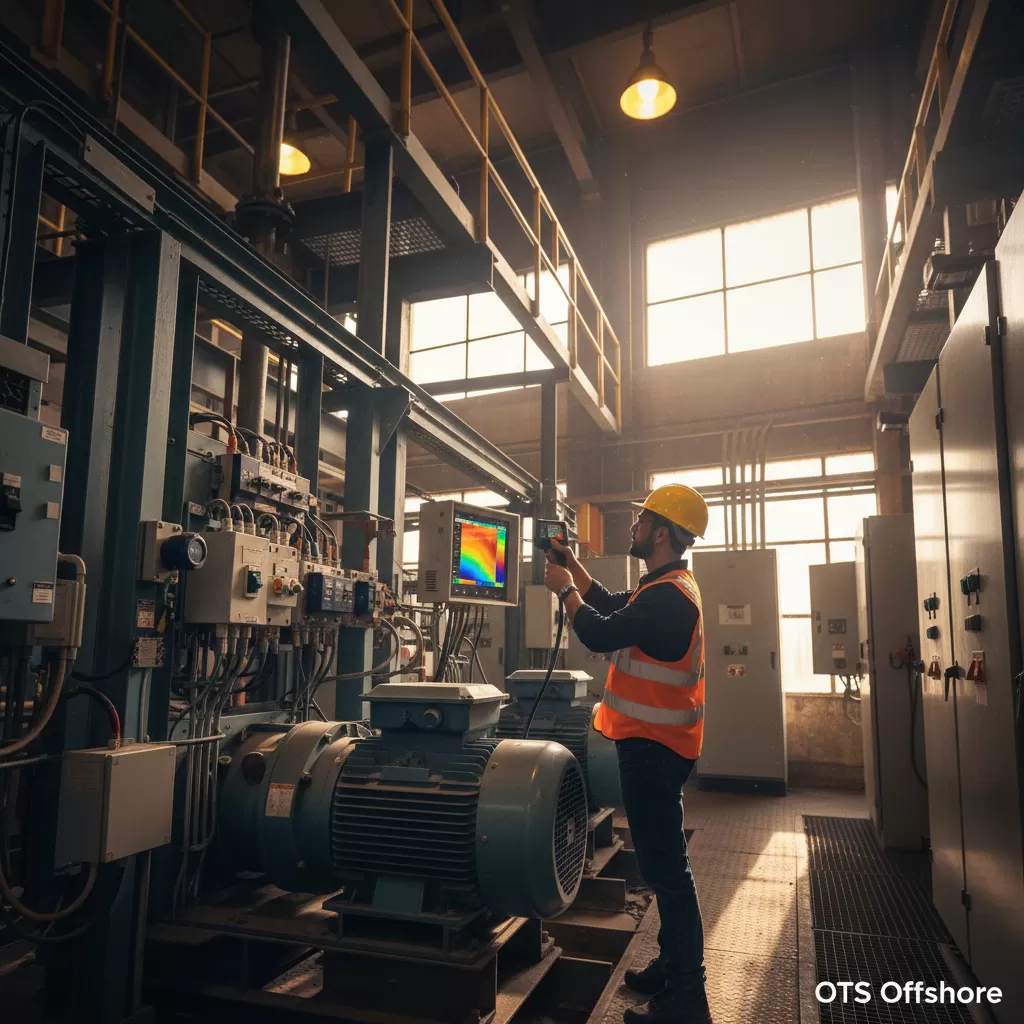
– Thermography: Infrared cameras are used to detect hotspots in electrical components, such as connections, transformers, and motors. Elevated temperatures can indicate increased resistance, loose connections, or impending failures, allowing for timely corrective action.
– Oil analysis: For gearboxes and hydraulic systems, regular oil analysis can reveal the presence of metallic particles, indicating wear. This provides valuable insights into the health of internal components without requiring disassembly.
– Acoustic monitoring: Sound analysis can identify abnormal noises generated by failing bearings, gear teeth, or other mechanical issues. Advanced acoustic sensors and algorithms can pinpoint the source and nature of the problem.
– Drone-based inspections: Unmanned aerial vehicles (UAVs) equipped with high-resolution cameras and sensors are increasingly used for blade inspections. They can safely and efficiently capture detailed imagery of blade surfaces, identifying cracks, erosion, or delamination that might be missed by visual inspection from the ground or a nacelle.
– Robotic systems: Robots are being developed and deployed for tasks such as cleaning, minor repairs, and inspections in confined or hazardous spaces within the turbine, reducing the need for human entry.
General Wind Turbine Maintenance Best Practices
Maintaining wind turbines, whether onshore or offshore, requires adherence to a standardized set of best practices. These practices ensure consistency, safety, and effectiveness across the fleet.
– Comprehensive pre-inspection checks: Before any maintenance activity commences, a thorough safety briefing and risk assessment are conducted. This includes checking weather conditions, ensuring proper lockout/tagout procedures are followed, and confirming the availability of necessary safety equipment and personnel.
– Scheduled preventative maintenance: Based on manufacturer recommendations, operational history, and condition monitoring data, a schedule of preventative maintenance tasks is established. This includes routine lubrication, tightening of bolts, inspection of electrical connections, and cleaning of components.
– Component-specific maintenance protocols: Different components within a wind turbine have unique maintenance requirements. Gearboxes, for instance, require regular oil changes and wear monitoring, while blades necessitate inspections for aerodynamic efficiency and structural integrity.
– Logistical planning: Efficient scheduling of maintenance activities is critical. This involves coordinating the availability of specialized technicians, spare parts, lifting equipment (cranes), and transport to minimize downtime and associated costs.
– Documentation and record-keeping: Meticulous records of all maintenance activities, including inspections, repairs, parts replaced, and performance data, are essential. This historical data is invaluable for trend analysis, warranty claims, and optimizing future maintenance strategies.
The Critical Importance of Safety in Wind Turbine Maintenance Operations
Safety is not merely a procedural aspect but a fundamental prerequisite for all wind turbine maintenance activities. Working at height, in potentially harsh weather conditions, and with heavy machinery presents significant risks. A robust safety culture, coupled with stringent adherence to established protocols, is non-negotiable.
– Working at height training and certification: All personnel involved in elevated work must undergo rigorous training and be certified in working at height techniques, including the use of harnesses, fall arrest systems, and rescue procedures.
– Lockout/Tagout (LOTO) procedures: Before any maintenance work begins on electrical or mechanical systems, proper LOTO procedures must be implemented to isolate energy sources and prevent accidental startup.
– Personal Protective Equipment (PPE): The correct PPE, including hard hats, safety glasses, gloves, ear protection, and specialized workwear, must be worn at all times.
– Emergency response plans: Comprehensive emergency response plans must be in place to address potential incidents, including medical emergencies, falls, or equipment failures. Regular drills and simulations ensure preparedness.
– Hazardous weather management: Maintenance operations must be suspended during adverse weather conditions such as high winds, lightning, heavy rain, or extreme cold to ensure the safety of personnel.
Offshore Wind Turbine Maintenance: Unique Challenges and Solutions
Offshore wind farms present a distinct set of maintenance challenges compared to their onshore counterparts. The harsh marine environment, coupled with the logistical complexities of accessing turbines located at sea, demands specialized approaches and significant investment.
– Environmental factors: Salinity, strong winds, powerful waves, and corrosive elements in the sea air accelerate wear and tear on turbine components. This necessitates the use of robust, corrosion-resistant materials and more frequent inspections of critical components.
– Accessibility: Reaching offshore turbines often requires specialized vessels, helicopters, or even heavy-lift jack-up platforms. The weather window for safe access can be narrow, making scheduled maintenance difficult and increasing the reliance on efficient planning and rapid response.
– Logistics and supply chain management: Transporting technicians, spare parts, and specialized equipment to offshore sites is a complex logistical undertaking. This requires meticulous planning, robust inventory management, and strong relationships with marine service providers.
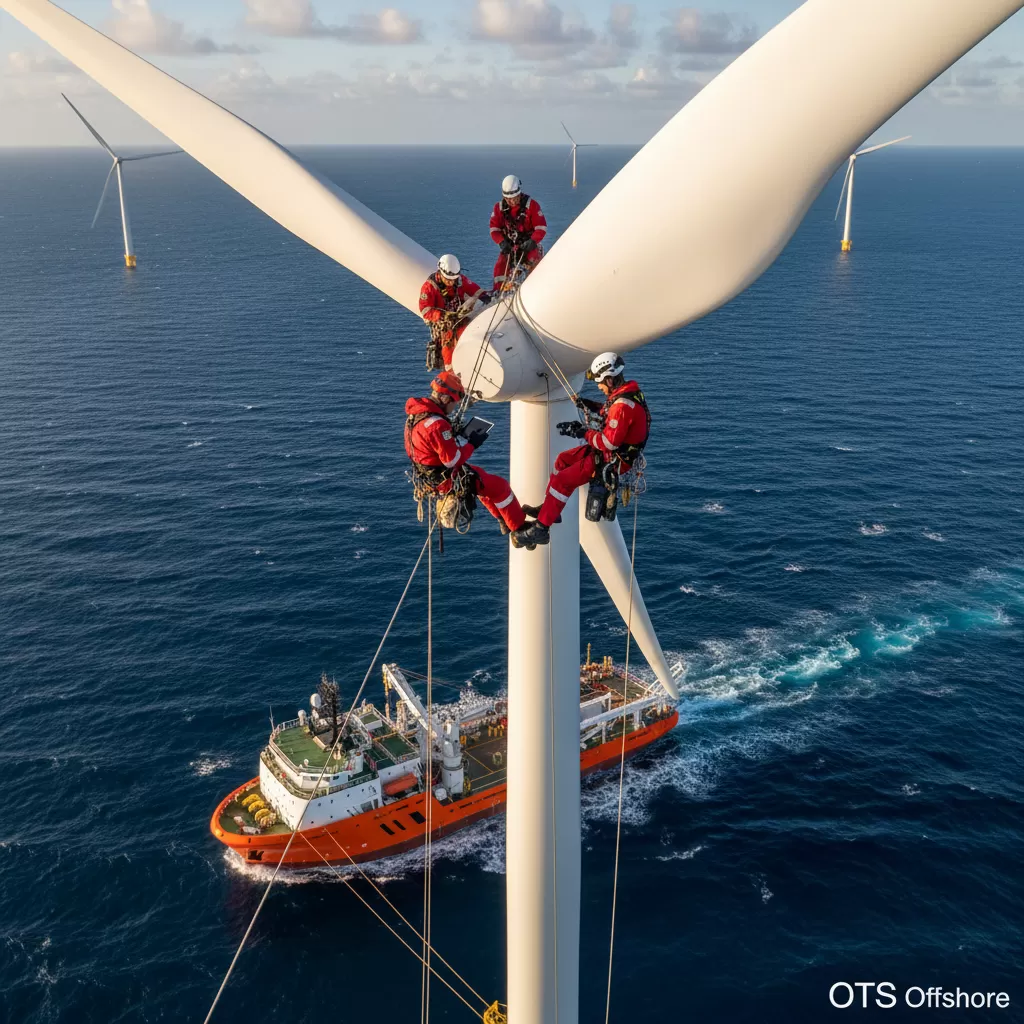
– Specialized vessels and equipment: Maintenance teams often utilize purpose-built Service Operation Vessels (SOVs) or Crew Transfer Vessels (CTVs) for personnel and equipment transfer. For major component replacements, heavy-lift vessels are required.
– Remote diagnostic capabilities: Given the difficulty of immediate on-site access, advanced remote monitoring and diagnostic capabilities are even more critical for offshore turbines. This allows for early detection of issues and prioritization of maintenance tasks.
– Subsea inspections: The foundations and submerged parts of offshore turbines also require regular inspection and maintenance to ensure structural integrity and prevent marine growth or corrosion. This often involves the use of remotely operated vehicles (ROVs) and divers.
Key Components Requiring Regular Offshore Wind Turbine Maintenance
The major components of an offshore wind turbine require focused attention due to the demanding operational environment.
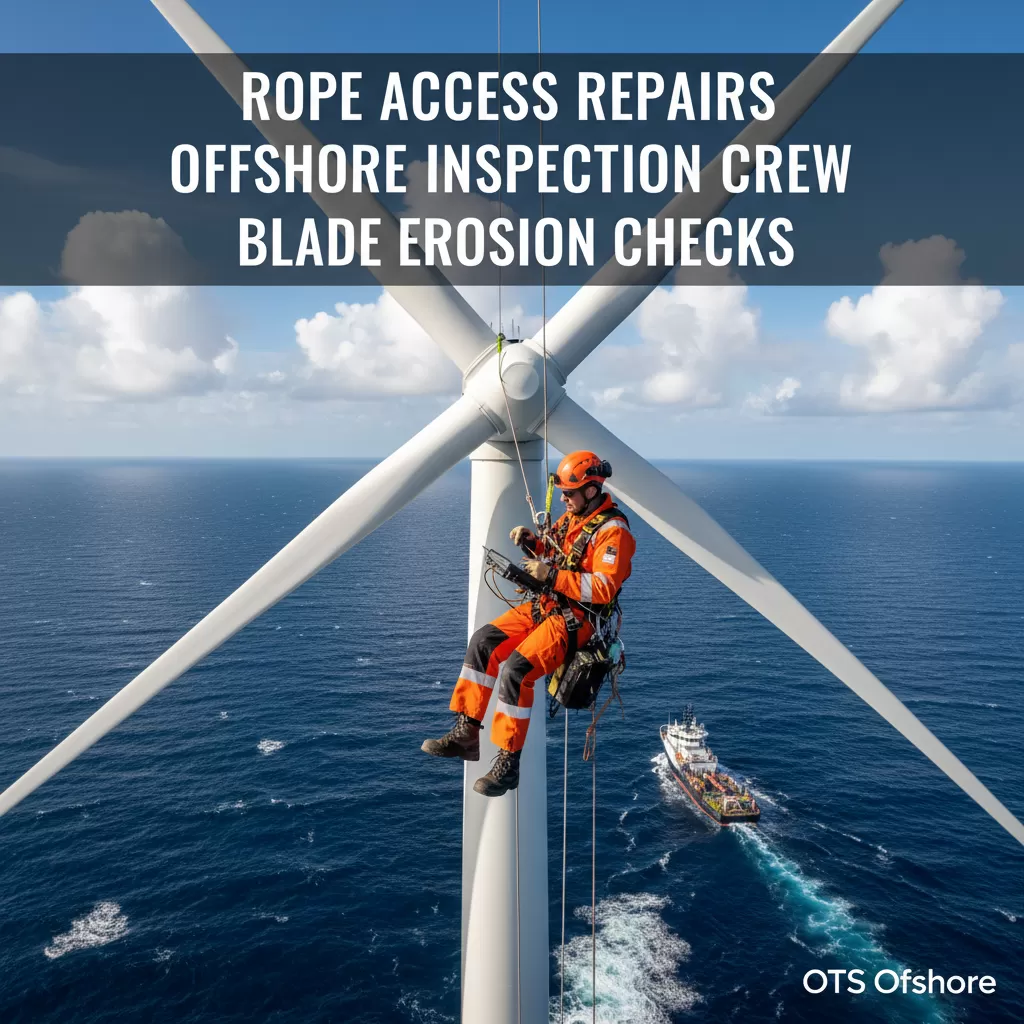
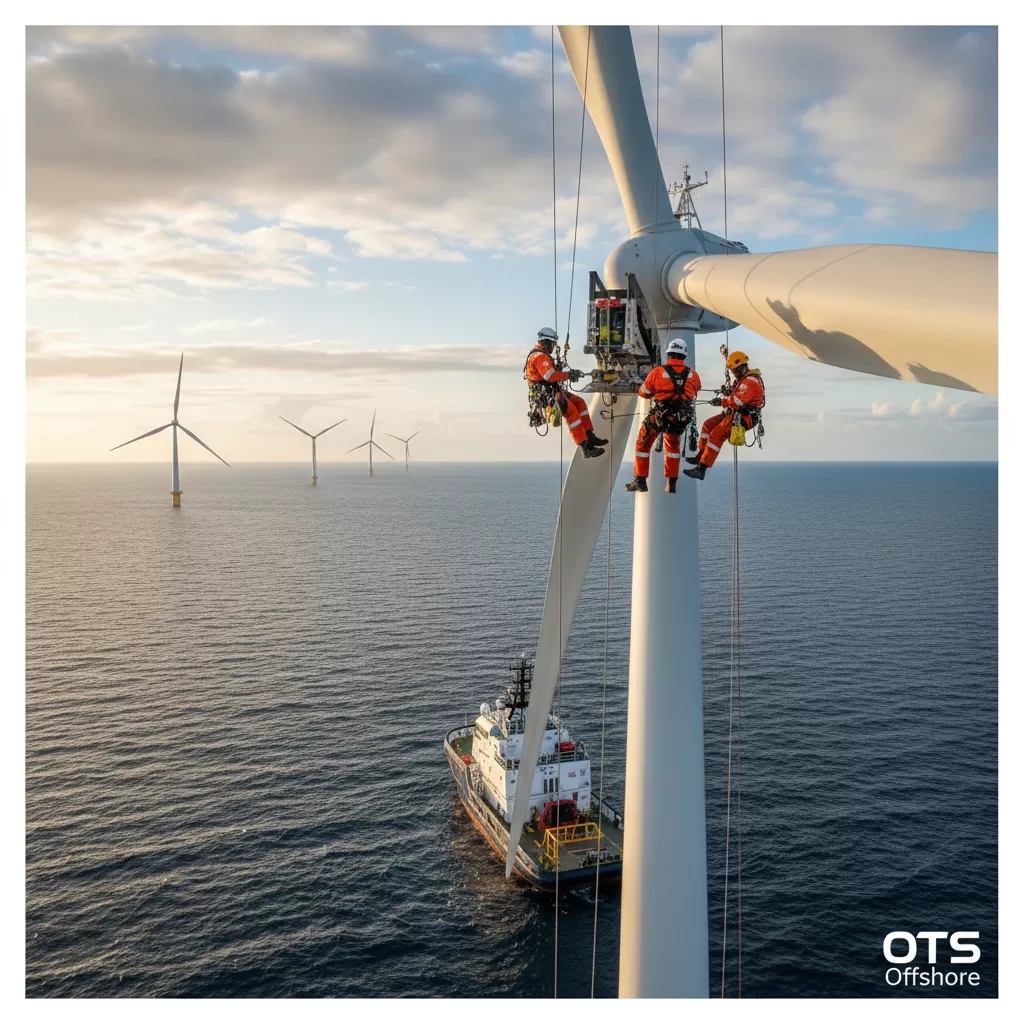
– Blades: Exposed to the full force of the elements, blades are susceptible to erosion, lightning strikes, and structural damage. Regular visual and drone inspections are vital, with repairs often requiring specialized rope access technicians or modular blade repair systems.
– Gearbox: The gearbox is a critical and complex component that experiences immense stress. Oil analysis, vibration monitoring, and thermal imaging are essential for detecting wear or potential failures. Regular lubrication and timely replacement of worn parts are crucial.
– Bearings: Main shaft bearings, gearbox bearings, and pitch bearings are subject to high loads and can be sensitive to contamination. Condition monitoring, including vibration and temperature analysis, helps predict bearing failures.
– Electrical systems: The entire electrical system, from the generator and transformer to the power converters and control systems, needs regular inspection for loose connections, signs of overheating, and general wear.
– Tower and foundation: The structural integrity of the tower and the foundation is paramount, especially in offshore environments. Inspections may involve visual checks for corrosion, structural cracks, and securing of bolted connections. For foundations, subsea inspections are also necessary.
– Yaw and pitch systems: These systems control the orientation of the turbine into the wind and the angle of the blades. They require regular lubrication, inspection of motors and actuators, and calibration to ensure optimal performance.
The Future of Wind Turbine Maintenance: Embracing Digitalization and Sustainability
The wind energy sector is increasingly embracing digital technologies and sustainable practices to optimize maintenance operations. The drive for greater efficiency, reduced environmental impact, and enhanced safety is shaping the future of this critical discipline.
– AI and machine learning integration: The application of AI and machine learning algorithms will become even more sophisticated in predicting component failures, optimizing maintenance schedules, and analyzing performance data for continuous improvement. This will lead to a more proactive and less intrusive maintenance approach.
– Digital twins: The creation of digital twins—virtual replicas of physical wind turbines—will allow for simulation-based testing, performance analysis, and predictive maintenance planning without impacting the operational turbine.
– Advanced robotics and automation: The development and deployment of more advanced robotic systems for complex repair tasks and autonomous inspections will reduce the need for human intervention in dangerous environments.
– Enhanced sensor technologies: The development of more sensitive, robust, and cost-effective sensors will provide even richer datasets for condition monitoring and anomaly detection.
– Focus on component lifespan extension: Maintenance strategies will increasingly focus on extending the lifespan of individual components through advanced diagnostics and tailored repair techniques, reducing the need for premature replacement and minimizing waste.
– Circular economy principles: The industry is moving towards adopting circular economy principles, emphasizing the repair, refurbishment, and recycling of wind turbine components to minimize environmental footprint and resource consumption.
– Data analytics and big data platforms: The ability to collect, process, and analyze massive volumes of data from wind farms will be crucial for identifying trends, optimizing performance, and improving the overall reliability of wind energy generation.