


On the morning of Monday, September 14, 2026, during the weekly flag-raising ceremony at Vo Nguyen Giap Primary School, Phuoc Thang Ward, Vung Tau City, OTS Offshore presented gifts to students facing difficult circumstances at the school. Though simple, each set of clothing carries OTS’s genuine care and support for the children. OTS Offshore hopes…
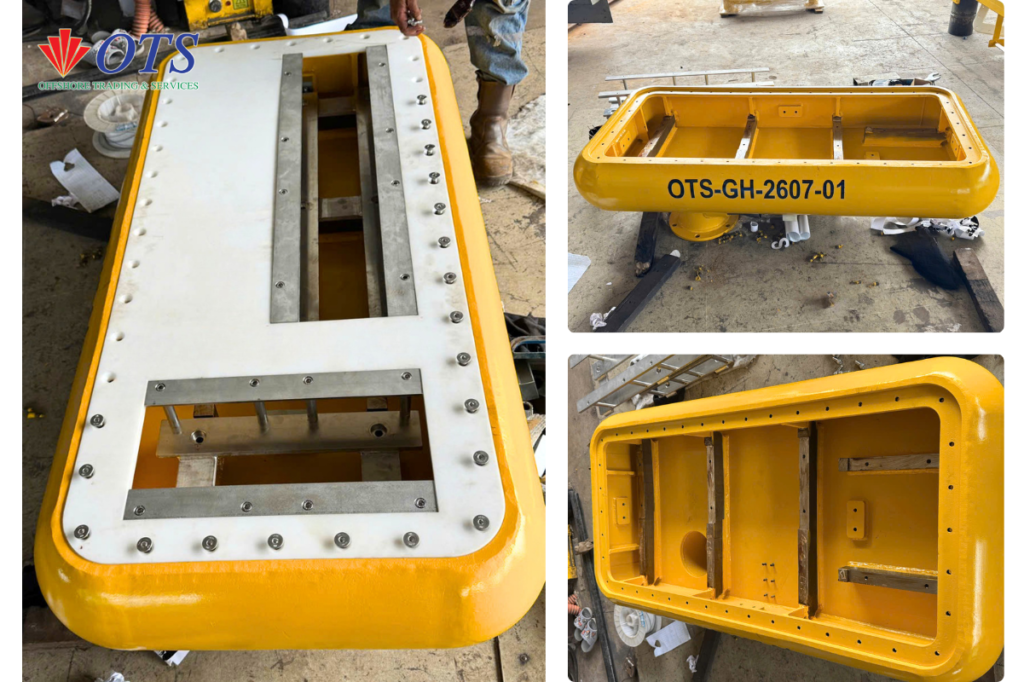
A survey vessel’s acoustic sensors are only as good as their mounting. Even a world-class MBES or SBP transducer will underperform if it isn’t held perfectly still, perfectly aligned, and shielded from drag and fouling below the hull. That’s the exact job of the OTS Gondola Housing — the lower assembly of the OTS Gondola…
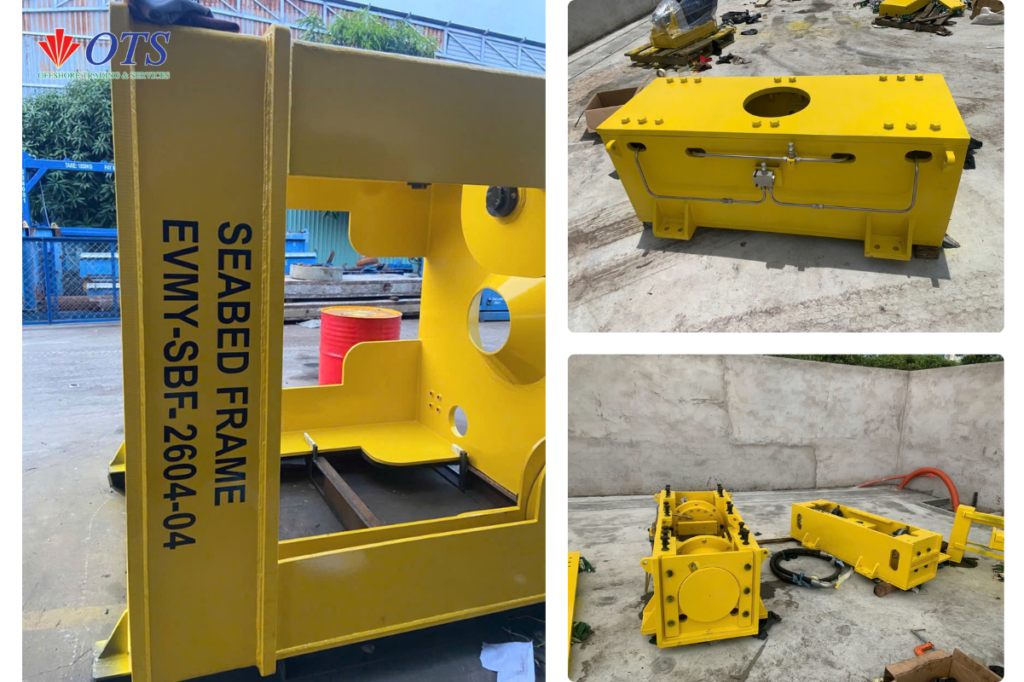
Delivering Seabed Frame & Clamp Equipment for an Offshore Geotechnical Survey Project In offshore and geotechnical survey work, equipment reliability and on-time delivery are critical to keeping a survey vessel’s operating schedule on track. OTS Offshore was recently trusted by an international offshore survey company to design, fabricate, and deliver critical subsea deployment equipment for…
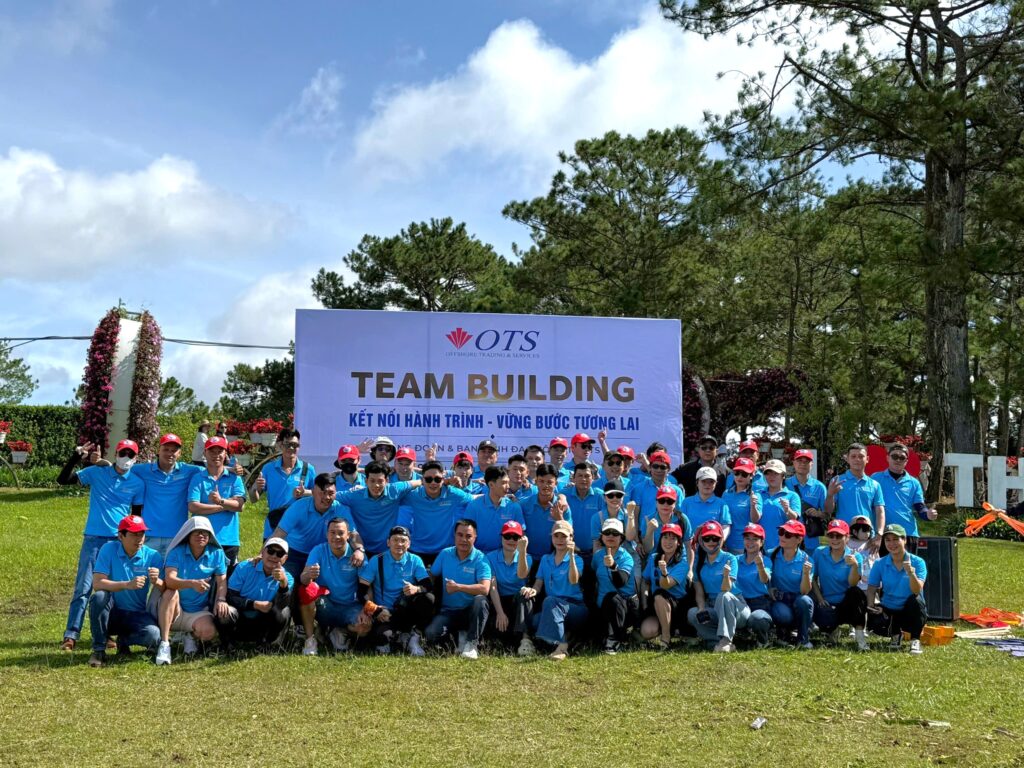
All staff of OTS Offshore Trading & Services came together for a 3-day, 2-night Team Building trip to Da Lat, from July 31 to August 2, 2026, under the theme “Connecting Our Journey – Moving Forward Together.” Connecting Through Team Challenges One of the highlights of the trip was the Team Building program, featuring games…
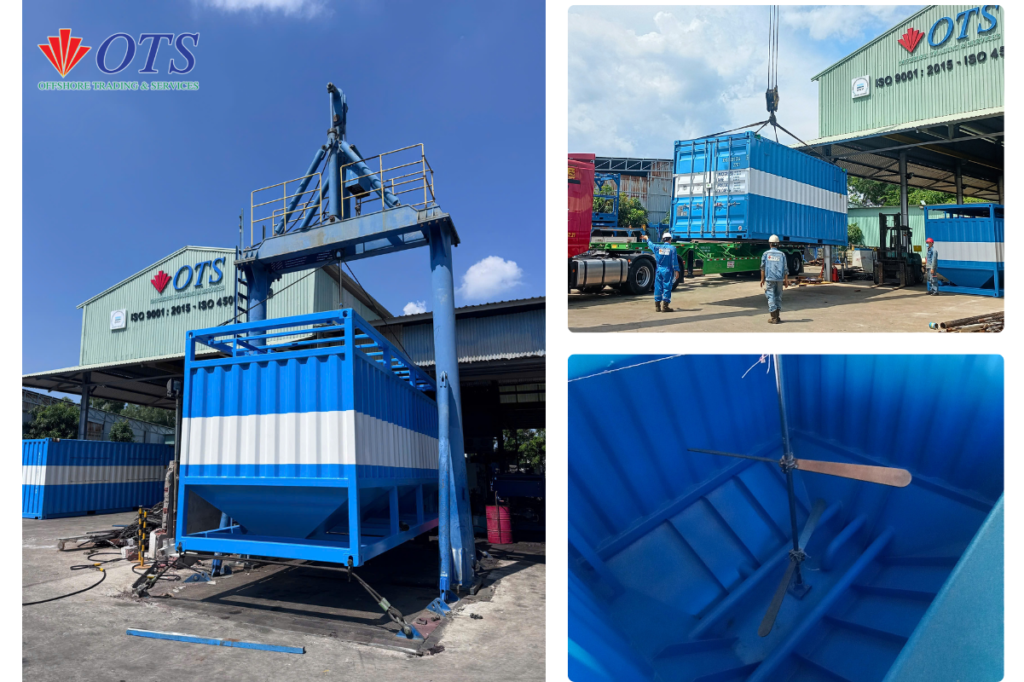
Reliable Fabrication Solutions for Efficient Drilling Fluid Management What Is a Mud Tank? A Mud Tank is a piece of equipment used to store, mix, and circulate drilling fluid within the Mud Circulation System of offshore projects. It plays a critical role in maintaining operational efficiency, supporting drilling fluid control, and ensuring the drilling process…
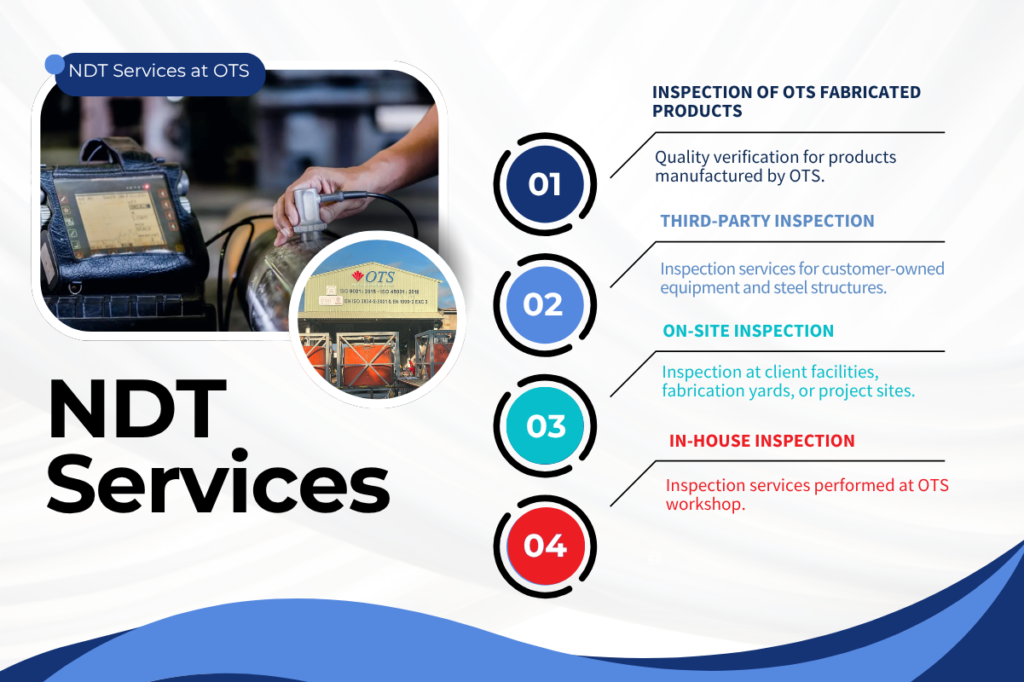
In the Offshore, Oil & Gas, and Industrial sectors, early defect detection is essential for ensuring equipment safety, quality, and reliability. OTS provides Non-Destructive Testing (NDT) — MT, PT, UT, ECT — to inspect welds and steel structures for Offshore, Oil & Gas, and industrial projects. What is Non-Destructive Testing (NDT) and Why Is It…
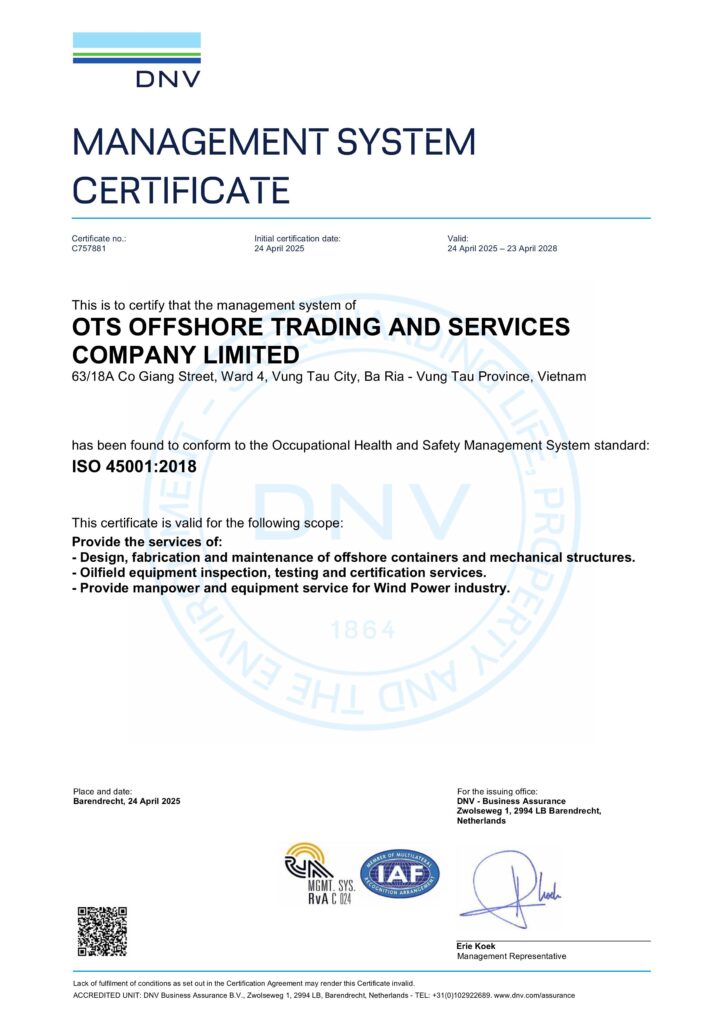
In the offshore industry, safety is more than a compliance requirement—it is a critical factor that directly influences product quality, project execution, and operational performance. At OTS Offshore, we implement an Occupational Health and Safety (OH&S) Management System in accordance with ISO 45001:2018 to manage workplace risks, protect our people, and maintain safe and efficient…
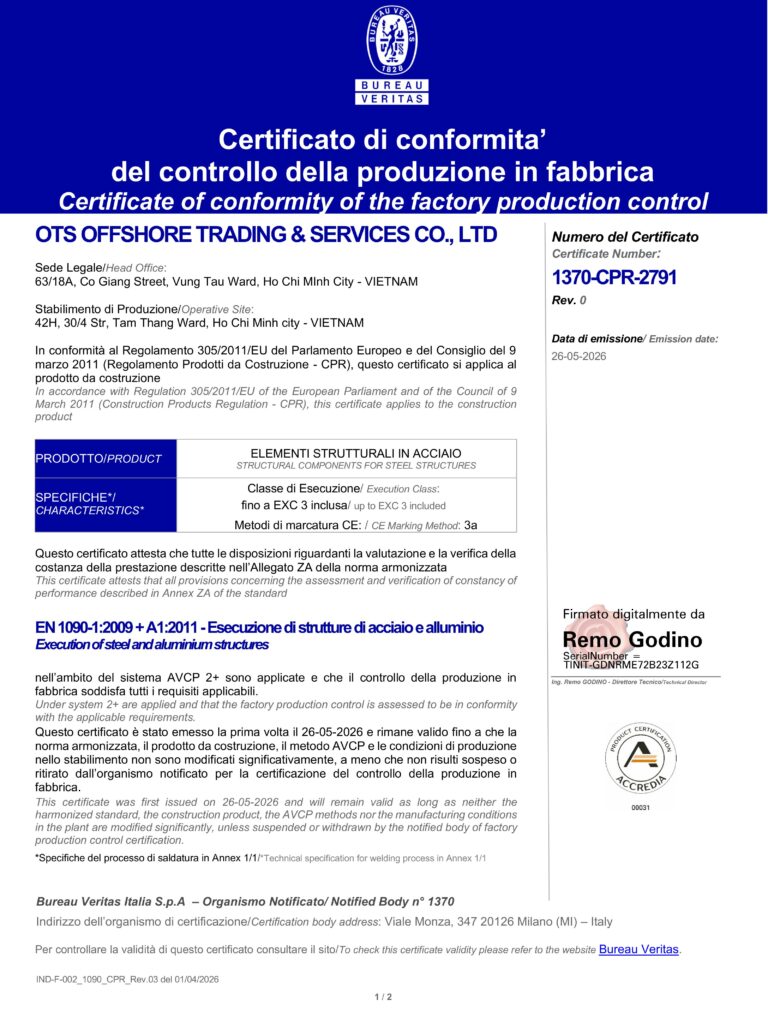
In offshore and industrial steel fabrication, quality is measured not only by the finished product but also by the manufacturing process behind it. EN 1090 EXC3 certification demonstrates a manufacturer’s ability to fabricate structural steel in accordance with European standards, ensuring controlled production processes, consistent quality, and complete traceability throughout fabrication. What is EN 1090…
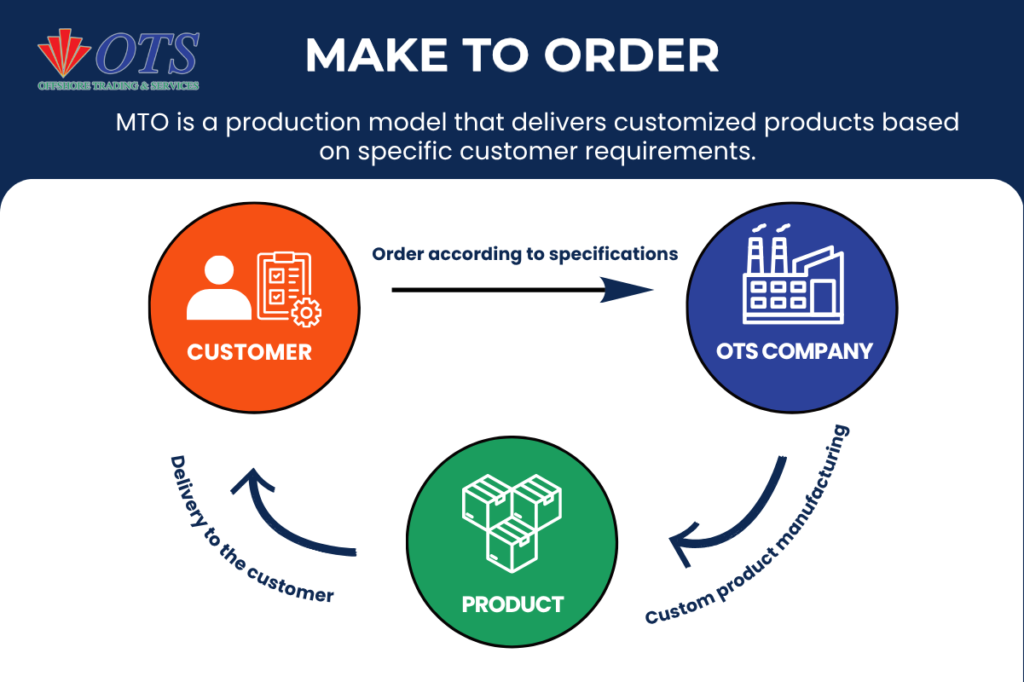
OTS Offshore is Vietnam’s manufacturer specializing in geotechnical equipment that operates under a fully integrated Make-to-Order (MTO) manufacturing model. From engineering and fabrication to inspection and final delivery, every stage is performed entirely in-house, ensuring quality and compliance with international standards. What is Make-to-Order (MTO)? In the offshore industry, every project presents unique technical requirements,…
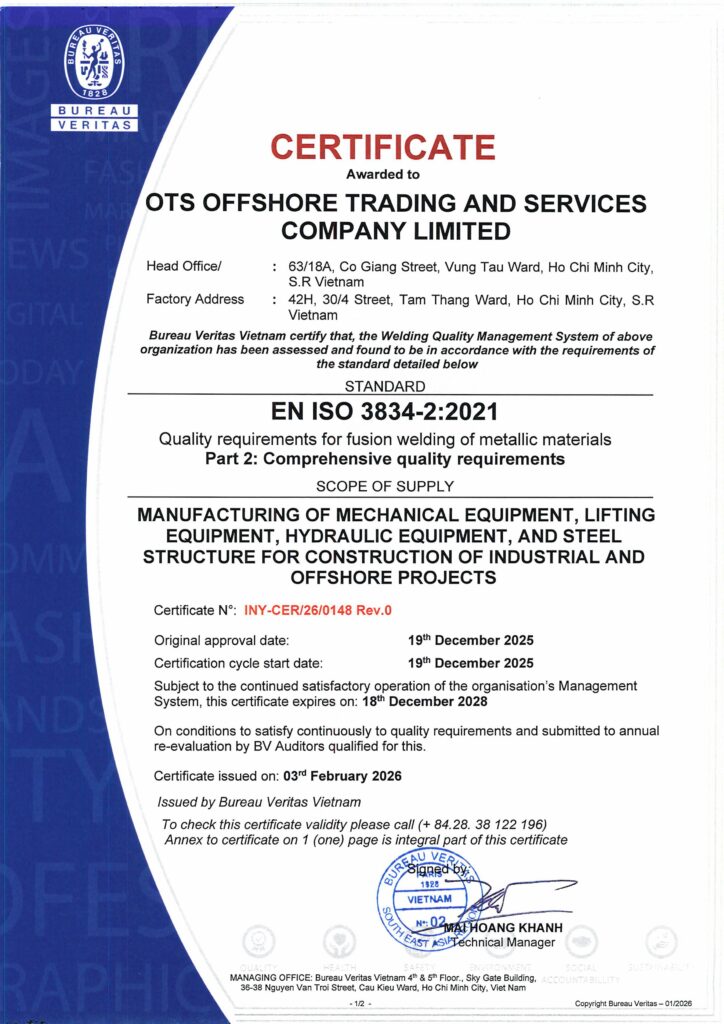
Introduction In the offshore environment, where equipment must withstand heavy loads and highly corrosive conditions, the quality of every single weld directly determines the safety and service life of a structure. This is why EN ISO 3834 exists: it is the international standard that sets out quality management requirements for the fusion welding of metallic…